

Close Modal

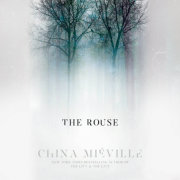
The Rouse

Look inside
Hardcover
$40.00 US
| $54.00 CAN
8 per carton
On sale Sep 15, 2026 | 1260 Pages | 9780399181092
Grades 9-12 + AP/IB

See Additional Formats
From the bestselling, award-winning master of uncanny fiction comes a defining work, twenty years in the making—a deeply moving, decade- and continent-spanning epic of personal grief, global tumult, and grim conspiracy.

Maur’s life has been shaped by loss: an apparently ordinary tragedy. But in its aftermath arise deeper, stranger questions. Their answers may lie within the dark heart and darker history of an old soldier who shares Maur’s obsessions and who is violently pursued by the same unknown, unquiet forces.

So begins a book unlike any other: at once an encyclopaedic and multitudinous saga of a bloody century and the intimate story of two lives, their loves, regrets, and secrets—and a terrifying journey into infinite mystery.
[i]

The light is bright enough, white enough, to make you think of dying. Close your eyes, you still see it.

Stay out of the dead’s business, your father said. Beyond the glass a leafless tree strains into the daylight. Stay out of the dead’s business, they don’t care what you do.

Someone wrote to you, I’m so sorry he’s passed, and, furious as if because you were supposed to be, you said, Passed? What does he pass for? Did he pass a test? Did he do well?

These days there are so many odd and troubling noises in the city. Things go missing. You could upend your bag and tally what’s gone. A lighter with a picture on it of the sea. Notes to yourself. That clasp for your hair your sister’s child once called a bear trap and mimicked with crooked fingers. Your son had no such name for it.

In the dank first evening of this year, far from here, alone by the coast, you brought your car to a halt where the road widened between fields. In the dimming world your headlamps caught a sign: passing place. That letter came back to you. He’s passed: not he has but he is passed. Object at last. Everyone passes him.

Only you were on that road. The sign was permission for something you would not and will not yet articulate.

Bring forth figures of memory. He, your boy, more exact than any other. Among the shades beyond the halo shine amid thorns unseen waiting for you. For anyone, to pass them by. To pass.

Now open your eyes again. Now in this room don’t weep, as you wept in the passing place. Look up. Stare up again at the striplight glare, as you must not at the sun.

[ii]

Maur returned to her father’s house.

Late spring ’73. She cadged a lift from a friend’s friend going to London. The month had opened grim, and when they wound down the windows the boxy Vauxhall filled with wind and noise and they laughed. The horizon receded. At a sign for Greenfield Town, Maur said, Oh god actually let’s not, can you just take me with you?

Fitful rain, concrete offices in a sprawl foul-smelling with chemicals. The driver glanced at her watch and asked Maur if she wanted to be taken to her door.

Maur said it was fine.

Sure? Here okay?

A roundabout on the crowded ring road. Maur stood with a suitcase in each hand where light waned grey beyond an industrial estate. When the car was out of sight she let her shoulders come down. She regretted her shoes.

Two young men leaned on the fencing of the railway bridge and eyed her with sullen interest. One said, That’s too much for you to carry darling let me give you a hand. She did not speed up and they did not follow her. She heard one of them spit onto the tracks before an incoming train.

It was as if the main street had been replaced with a set painted not quite right. Pedestrians all had their backs to her. From the façade of what had been an umbrella store—No, seriously! she would say when she described it—jutted an empty frame. Her clothes were too bright for all this. Days-old Daily Mirror headlines frayed in displays. Army says sorry, Anything goes. For the duration of a cigarette she stood illuminated by signs, unsure if this was stalling.

In a bin-filled alley where once she’d played hiding games, her finger to her own lips to shush herself, she opened her father’s door.

She would be anew. This is where a remembrance begins. Maur you will remember.


Hello?

Movement within.

Hi, she said.

Her father descended. Stopped with steps still to go so her eyes were level with his midriff.

You’re in Lancaster, he said.

Am I? She examined her arms and legs. Wow.

Ah, ha.

He looked away, then sharply back at her. Everything’s fine, she said, so he nodded.

Good, he said. He clasped his arms and did a smile. Well, welcome home, this is unexpected.

Her school friends always said he was good-looking and even middle age’s slide became him. He finished coming down and leaned to kiss her cheek. She smelt Burley and dust. She hung up her coat, hitched her jeans and pushed her shoes off with her toes and turned to face him, and her father was quicker than she had thought he would be. She barely showed but he was staring without expression at her belly.


Maur Towns retraced old routes again, this time with her shoulders back. Many people her father’s age and older. She kept her eyes on some imagined vanishing point. For once she did not linger at the old books in Goodson’s window. At the door to Hill’s Café a young man with the beat-up face of a fighter brazenly stared. Outside the ironmonger’s, school-uniformed girls made sure to laugh at her shaggy afghan and eyeliner sweep but they were fascinated, and remembering herself five years younger, Maur felt nearly weepy.

Ducks went dignified past loosestrife and bobbing trash and the remnant of a rowboat’s prow that for her whole life had twitched in the water tethered to something sunken. It was the tip of a root, she had told her mother, of an inverted tree that grew downward through black water to a secret place. It was as if some other girl had imagined that. In the little park her mother had sat on the playground benches where Maur sat now. It was cold and no children came to the swings or the seesaw or the witch’s hat.

Maur’s remembered self was pigtailed, a girl from an ice cream sign, dancing in a circle. Bygone companions, snowball fights, snogs, cider bought for them by a friendly derelict, exam results, two brief horrid physical fights. In her mind she full-named each child who’d been there but herself: Sally Morgan Katherine Cregg Tommy Bishop John Ian Tremaine, Maur.

From the bath she watched the light-pull sway with the weight of a holed stone her mother had taken from a beach. Here came again an intimation that since her mother died Maur had made no choices. That everything had been decided, not by her nor her father, nor any overwatching maternal trace, but by some opaque authority. Until weeks ago.

Her sister called as arranged. Well? Rhona said. A poor connection. Did you talk to him?

Talk? To him?

Alright alright. You know what I mean.

Maur lay on her old bed, the phone on her stomach, between wan blue walls, no longer the vitelline pattern she’d chosen as a child. He guessed, Maur said. Can you believe that? What a time to get insightful.

Come on, that’s not exactly—

Anyway, Maur said. I still don’t think he’d have said anything even then, but I made him sit down and I went through it.

Everything?

More or less.

How’d he take it?

Guess.

Ah sure God, Rho said. You’ve never gone and upset your father. The Irish riff had predated Rhona’s emigration and neither sister remembered which of them had started it. What’s he up to now?

Silent treatment, Maur said.

That’s how they spoke about their father’s sour patience, as if his taciturnity was a disappointment that Maur might overcome.

Maur lit a cigarette. How’s the Liffey?

Come on. How are you feeling?

So Maur said it turned out that she wasn’t scared and she did not know why. That she was excited of course but had expected trepidation or worse because how could you not? What fears she did feel, she did not say, were less of the biological event (all those commonplace grotesqueries, a thing this size, a hole that size) than of the world itself, which felt now very close. But whatever made her heart hammer was not second thoughts.

She ran her fingers over her left forearm, it was sore. She wanted the smell of her smoke to reach her father and to anger him. When she was afraid, she said to Rho—because sometimes, okay, she was afraid, she didn’t know of what. And anyway she said what happened then was that excitement overtook it. If that wasn’t all of the truth it was a good part of it.

I’m really glad, Rho said. I still don’t know why you wanted to tell him alone.

Yes, he can be a bit of a cunt, Maur said. Rhona laughed after a moment.

He’s a man of qualities, she said.

Maur’s line was, What qualities are they?, but instead she said, Maybe this’ll soften him up. I feel a touch of the f***its. It’s crazy I know, but what I keep thinking is, Oh it’ll be fine.

You’re right, Rho said. I mean it will, of course. It’s quick but all manner of things shall be well.
The Rouse is a stirring, moving family saga and a dizzying exegesis of the violent and virulent second half of the twentieth century as well a lament for the brutalist age it has spawned. Complex, consuming, thrilling, terrifying, a feast of language and ideas . . . I could go on and on. The Rouse is a magisterial wonder.”—Paul Tremblay, author of A Head Full of Ghosts and Dead But Dreaming of Electric Sheep

“At once the most poetic horror and the most fearsome historical novel in contemporary letters . . . There is simply no equivalent to Miéville’s achievement.”—Jordy Rosenberg, author of Confessions of the Fox

“An extraordinary tour de force, poetic, complex and poignant . . . a true masterpiece of the weird.”—Adrian Tchaikovsky, bestselling author of Children of Time
© Barney Cokeliss
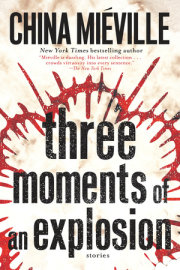
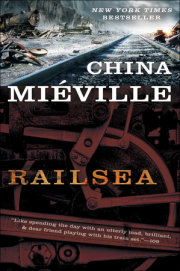
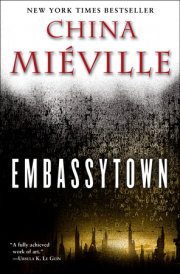
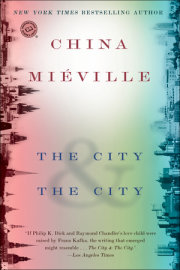
China Miéville is a New York Times bestselling author of fiction and nonfiction. His novels include The City & The City, Embassytown, and Perdido Street Station. A recipient of the Guggenheim Fellowship for Fiction, he has won the World Fantasy, the Hugo, and the Arthur C. Clarke Awards, among others. His nonfiction includes a study of international law and a history of the Russian Revolution. View titles by China Miéville

About

From the bestselling, award-winning master of uncanny fiction comes a defining work, twenty years in the making—a deeply moving, decade- and continent-spanning epic of personal grief, global tumult, and grim conspiracy.

Maur’s life has been shaped by loss: an apparently ordinary tragedy. But in its aftermath arise deeper, stranger questions. Their answers may lie within the dark heart and darker history of an old soldier who shares Maur’s obsessions and who is violently pursued by the same unknown, unquiet forces.

So begins a book unlike any other: at once an encyclopaedic and multitudinous saga of a bloody century and the intimate story of two lives, their loves, regrets, and secrets—and a terrifying journey into infinite mystery.

Excerpt

[i]

The light is bright enough, white enough, to make you think of dying. Close your eyes, you still see it.

Stay out of the dead’s business, your father said. Beyond the glass a leafless tree strains into the daylight. Stay out of the dead’s business, they don’t care what you do.

Someone wrote to you, I’m so sorry he’s passed, and, furious as if because you were supposed to be, you said, Passed? What does he pass for? Did he pass a test? Did he do well?

These days there are so many odd and troubling noises in the city. Things go missing. You could upend your bag and tally what’s gone. A lighter with a picture on it of the sea. Notes to yourself. That clasp for your hair your sister’s child once called a bear trap and mimicked with crooked fingers. Your son had no such name for it.

In the dank first evening of this year, far from here, alone by the coast, you brought your car to a halt where the road widened between fields. In the dimming world your headlamps caught a sign: passing place. That letter came back to you. He’s passed: not he has but he is passed. Object at last. Everyone passes him.

Only you were on that road. The sign was permission for something you would not and will not yet articulate.

Bring forth figures of memory. He, your boy, more exact than any other. Among the shades beyond the halo shine amid thorns unseen waiting for you. For anyone, to pass them by. To pass.

Now open your eyes again. Now in this room don’t weep, as you wept in the passing place. Look up. Stare up again at the striplight glare, as you must not at the sun.

[ii]

Maur returned to her father’s house.

Late spring ’73. She cadged a lift from a friend’s friend going to London. The month had opened grim, and when they wound down the windows the boxy Vauxhall filled with wind and noise and they laughed. The horizon receded. At a sign for Greenfield Town, Maur said, Oh god actually let’s not, can you just take me with you?

Fitful rain, concrete offices in a sprawl foul-smelling with chemicals. The driver glanced at her watch and asked Maur if she wanted to be taken to her door.

Maur said it was fine.

Sure? Here okay?

A roundabout on the crowded ring road. Maur stood with a suitcase in each hand where light waned grey beyond an industrial estate. When the car was out of sight she let her shoulders come down. She regretted her shoes.

Two young men leaned on the fencing of the railway bridge and eyed her with sullen interest. One said, That’s too much for you to carry darling let me give you a hand. She did not speed up and they did not follow her. She heard one of them spit onto the tracks before an incoming train.

It was as if the main street had been replaced with a set painted not quite right. Pedestrians all had their backs to her. From the façade of what had been an umbrella store—No, seriously! she would say when she described it—jutted an empty frame. Her clothes were too bright for all this. Days-old Daily Mirror headlines frayed in displays. Army says sorry, Anything goes. For the duration of a cigarette she stood illuminated by signs, unsure if this was stalling.

In a bin-filled alley where once she’d played hiding games, her finger to her own lips to shush herself, she opened her father’s door.

She would be anew. This is where a remembrance begins. Maur you will remember.


Hello?

Movement within.

Hi, she said.

Her father descended. Stopped with steps still to go so her eyes were level with his midriff.

You’re in Lancaster, he said.

Am I? She examined her arms and legs. Wow.

Ah, ha.

He looked away, then sharply back at her. Everything’s fine, she said, so he nodded.

Good, he said. He clasped his arms and did a smile. Well, welcome home, this is unexpected.

Her school friends always said he was good-looking and even middle age’s slide became him. He finished coming down and leaned to kiss her cheek. She smelt Burley and dust. She hung up her coat, hitched her jeans and pushed her shoes off with her toes and turned to face him, and her father was quicker than she had thought he would be. She barely showed but he was staring without expression at her belly.


Maur Towns retraced old routes again, this time with her shoulders back. Many people her father’s age and older. She kept her eyes on some imagined vanishing point. For once she did not linger at the old books in Goodson’s window. At the door to Hill’s Café a young man with the beat-up face of a fighter brazenly stared. Outside the ironmonger’s, school-uniformed girls made sure to laugh at her shaggy afghan and eyeliner sweep but they were fascinated, and remembering herself five years younger, Maur felt nearly weepy.

Ducks went dignified past loosestrife and bobbing trash and the remnant of a rowboat’s prow that for her whole life had twitched in the water tethered to something sunken. It was the tip of a root, she had told her mother, of an inverted tree that grew downward through black water to a secret place. It was as if some other girl had imagined that. In the little park her mother had sat on the playground benches where Maur sat now. It was cold and no children came to the swings or the seesaw or the witch’s hat.

Maur’s remembered self was pigtailed, a girl from an ice cream sign, dancing in a circle. Bygone companions, snowball fights, snogs, cider bought for them by a friendly derelict, exam results, two brief horrid physical fights. In her mind she full-named each child who’d been there but herself: Sally Morgan Katherine Cregg Tommy Bishop John Ian Tremaine, Maur.

From the bath she watched the light-pull sway with the weight of a holed stone her mother had taken from a beach. Here came again an intimation that since her mother died Maur had made no choices. That everything had been decided, not by her nor her father, nor any overwatching maternal trace, but by some opaque authority. Until weeks ago.

Her sister called as arranged. Well? Rhona said. A poor connection. Did you talk to him?

Talk? To him?

Alright alright. You know what I mean.

Maur lay on her old bed, the phone on her stomach, between wan blue walls, no longer the vitelline pattern she’d chosen as a child. He guessed, Maur said. Can you believe that? What a time to get insightful.

Come on, that’s not exactly—

Anyway, Maur said. I still don’t think he’d have said anything even then, but I made him sit down and I went through it.

Everything?

More or less.

How’d he take it?

Guess.

Ah sure God, Rho said. You’ve never gone and upset your father. The Irish riff had predated Rhona’s emigration and neither sister remembered which of them had started it. What’s he up to now?

Silent treatment, Maur said.

That’s how they spoke about their father’s sour patience, as if his taciturnity was a disappointment that Maur might overcome.

Maur lit a cigarette. How’s the Liffey?

Come on. How are you feeling?

So Maur said it turned out that she wasn’t scared and she did not know why. That she was excited of course but had expected trepidation or worse because how could you not? What fears she did feel, she did not say, were less of the biological event (all those commonplace grotesqueries, a thing this size, a hole that size) than of the world itself, which felt now very close. But whatever made her heart hammer was not second thoughts.

She ran her fingers over her left forearm, it was sore. She wanted the smell of her smoke to reach her father and to anger him. When she was afraid, she said to Rho—because sometimes, okay, she was afraid, she didn’t know of what. And anyway she said what happened then was that excitement overtook it. If that wasn’t all of the truth it was a good part of it.

I’m really glad, Rho said. I still don’t know why you wanted to tell him alone.

Yes, he can be a bit of a cunt, Maur said. Rhona laughed after a moment.

He’s a man of qualities, she said.

Maur’s line was, What qualities are they?, but instead she said, Maybe this’ll soften him up. I feel a touch of the f***its. It’s crazy I know, but what I keep thinking is, Oh it’ll be fine.

You’re right, Rho said. I mean it will, of course. It’s quick but all manner of things shall be well.

Reviews

The Rouse is a stirring, moving family saga and a dizzying exegesis of the violent and virulent second half of the twentieth century as well a lament for the brutalist age it has spawned. Complex, consuming, thrilling, terrifying, a feast of language and ideas . . . I could go on and on. The Rouse is a magisterial wonder.”—Paul Tremblay, author of A Head Full of Ghosts and Dead But Dreaming of Electric Sheep

“At once the most poetic horror and the most fearsome historical novel in contemporary letters . . . There is simply no equivalent to Miéville’s achievement.”—Jordy Rosenberg, author of Confessions of the Fox

“An extraordinary tour de force, poetic, complex and poignant . . . a true masterpiece of the weird.”—Adrian Tchaikovsky, bestselling author of Children of Time

Author

© Barney Cokeliss
China Miéville is a New York Times bestselling author of fiction and nonfiction. His novels include The City & The City, Embassytown, and Perdido Street Station. A recipient of the Guggenheim Fellowship for Fiction, he has won the World Fantasy, the Hugo, and the Arthur C. Clarke Awards, among others. His nonfiction includes a study of international law and a history of the Russian Revolution. View titles by China Miéville
  • More Websites from
    Penguin Random House
  • Common Reads
  • Library Marketing