Close Modal

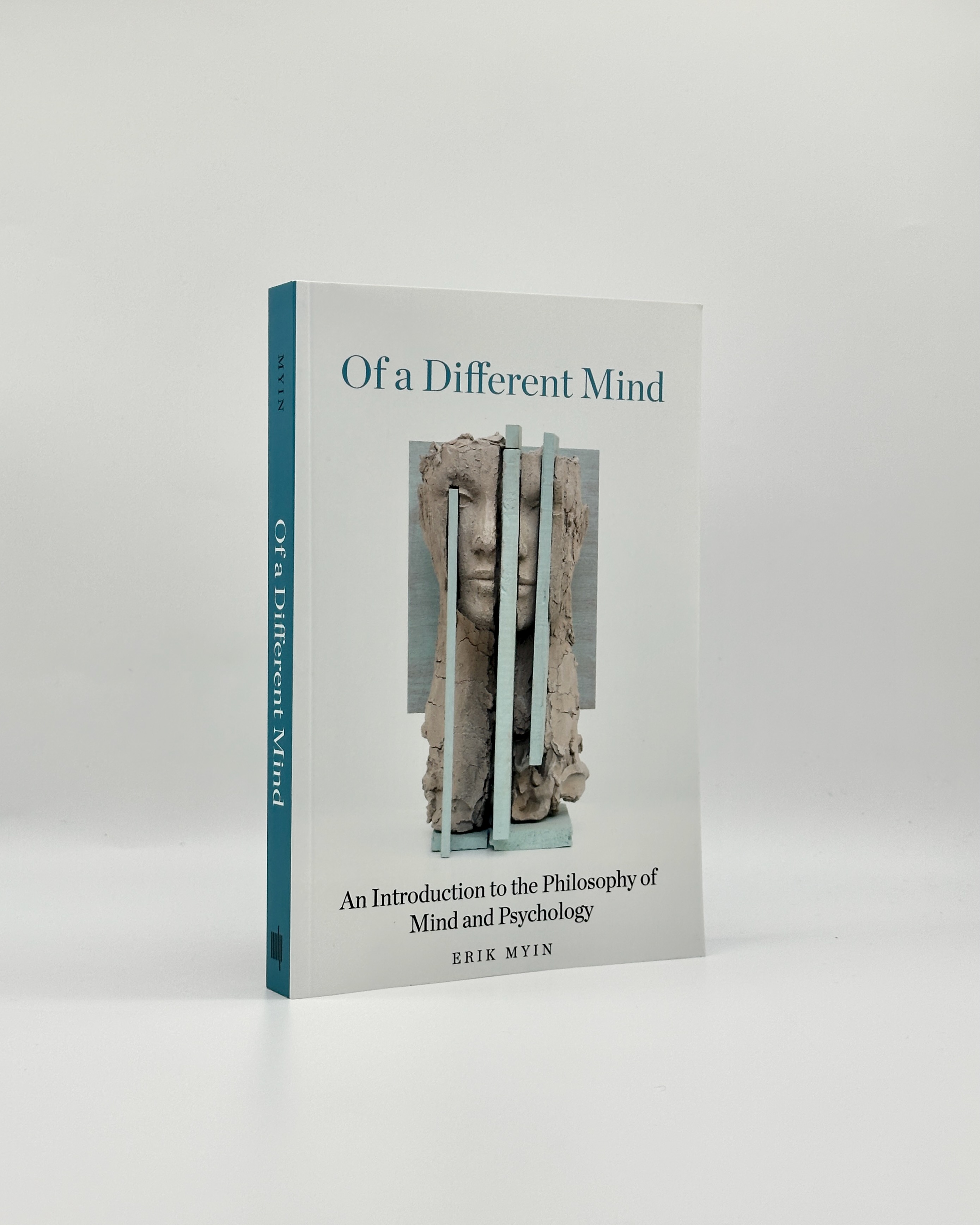
Of a Different Mind

An Introduction to the Philosophy of Mind and Psychology

Author Erik Myin
Look inside
A new way to teach philosophy of mind and psychology that makes room for action-first views.

Much of contemporary philosophical discourse of the mind is dominated by understanding the mind as a biological information processor, and it is thanks to its computational operations that we perceive, act intelligently, and think. By contrast, this novel textbook presents a view of the philosophy of mind where action, rather than thought, is the most fundamental thing a mind does. Erik Myin covers a broad range of action-based views—embodied, embedded, enacted, extended, and enculturated—while providing a thorough introduction to standard analytical philosophy of mind. Balancing historical perspectives with forward-looking pluralism, Myin tells a different story about the philosophy of mind that expands, rather than constrains, possibilities and provides a relevant blueprint for the next generation of thinkers in the field.

  • Offers an innovative, agential view of the philosophy of mind
  • Integrates coverage of historical thinking and contemporary developments
  • Details action-first views of the mind
  • Suits undergraduate students in philosophy and psychology
Erik Myin is Professor of Philosophy at the University of Antwerp and coauthor of Radicalizing Enactivism: Basic Minds without Content (MIT Press).
Contents 1. INTRODUCTION: THINKING ABOUT MINDS DIFFERENTLY Bibliographical note for Chapter 1 2. MIND VERSUS BODY: DUALISM AND ITS REASONS 1. Dualism versus monism 2. Pre-modern dualism 2. 1. Lasting Greek foundations 2.2. Mind/body tensions in medieval thought 3. Cartesian Dualism 3.1. The mechanization of the world picture 3.2. Descartes’ radical mechanism 3.3. Descartes’ radical dualism 3.4. The Embodied Mind, Cartesian style 3.5. The unity of mind and body Bibliographical note for Chapter 2 3. INSIDE THE MIND: THE EMERGENCE OF SCIENTIFIC PSYCHOLOGY 1. From mind to psychology 2. The empiricist picture of the mind 3. From physiological to experimental psychology and beyond 3.1. Bringing sensation in science 3.2. The next stage: perception 3.3. Beyond perception: memory and more 4. Not impressed 4.1 Mediationism and representationalism 4.2. Sensations 4.3 Perceptual error and imagination 4.4 Turning the tables 4.5. Reification Bibliographical note for Chapter 3 4. EVOLUTION: FROM BIOLOGY TO BEHAVIOR, COGNITION AND CULTURE 1. Evolution in mind 2. Evolution by natural selection: core ideas 3. Evolution of action and intelligence: Darwin’s earthworms 4. Evolution in psychology: selection by consequences 5. Against behaviorism 6. Evolution evolving 7. Evolution in philosophy: John Dewey again Bibliographical note for Chapter 4 5. UNITY THROUGH TRANSLATION AND IDENTIFICATION: LOGICAL POSTIVISM AND THE IDENTITY THEORY 1. Unity, with divergence 2. Logical positivism and psychology as part of a unified science 3. From identification to identity 3.1. The logical case 3.2. Science and explanation 4. Two steps further: eliminative materialism, twice 5. Subsequent criticisms and a shared assumption about language Bibliographical note for Chapter 5 6. DIFFERENCE: WITTGENSTEIN, ANSCOMBE AND RYLE 1. United for difference 2. Bringing philosophy back to life 3. Difference in language 4. Difference in mind 4.1. Wittgenstein on sensation 4.2. Anscombe on intention 5. Ryle: dualisms in mind and understanding 5.1. Ryle’s position 5.2. Exorcising ghosts 5.3. Knowing how and knowing that Bibliographical note for Chapter 6 7. COGNITION FIRST: THE COGNITIVE REVOLUTION AND ITS SCIENCE 1. A revaluation of values 2. Preparing the ground 3. The cognitive revolution and classical cognitive science 3.1. The overall picture 3.2. From vision to language 3.3. Cognitive science evolving Bibliographical note for Chapter 7 8. MENTAL STATES AND FUNCTIONALISM 1. Philosophy and cognitive science 2. Functionalism and multiple realization 3. Varieties of functionalism 4. The foundational myth of functionalism 4.1 The narrative 4.2. Why the narrative is mythical 5. Eliminativism and Intentional Systems Bibliographical note for Chapter 8 9. FEELING AND MEANING 1. From phenomena to problems 2. Feeling and qualia 3. Meaning and content 3.1. Intentionality: real and “as-if” 3.2. Intentionality, representation and intensionality-with-an-s 3.3. Theories of content Bibliographical note for Chapter 9 10. BEYOND THE HEAD 1. Embodied cognition in psychology and linguistics 2. Embeddedness and the Extended Mind 3. Radical Embodied Cognitive Science 3.1. Radical is relative 3.2. Ecological psychology 3.3. Dynamical Systems approaches to cognition Bibliographical note for Chapter 10 11. LIFE AND MIND 1. Enter life 2. Spiraling autonomy 2.1. Basic autonomy 2.2. Sensorimotor autonomy 2.3. Social autonomy 2.4. Linguistic autonomy 3. The evolution of consciousness 4. Different Enactivisms 5. Evaluating Embodied and Enactive thinking Bibliographical note for Chapter 11 12. EPILOGUE: FOREVER IN THE LOOP GLOSSARY ACKNOWLEDGMENTS REFERENCES

additional book photo

About

A new way to teach philosophy of mind and psychology that makes room for action-first views.

Much of contemporary philosophical discourse of the mind is dominated by understanding the mind as a biological information processor, and it is thanks to its computational operations that we perceive, act intelligently, and think. By contrast, this novel textbook presents a view of the philosophy of mind where action, rather than thought, is the most fundamental thing a mind does. Erik Myin covers a broad range of action-based views—embodied, embedded, enacted, extended, and enculturated—while providing a thorough introduction to standard analytical philosophy of mind. Balancing historical perspectives with forward-looking pluralism, Myin tells a different story about the philosophy of mind that expands, rather than constrains, possibilities and provides a relevant blueprint for the next generation of thinkers in the field.

  • Offers an innovative, agential view of the philosophy of mind
  • Integrates coverage of historical thinking and contemporary developments
  • Details action-first views of the mind
  • Suits undergraduate students in philosophy and psychology

Author

Erik Myin is Professor of Philosophy at the University of Antwerp and coauthor of Radicalizing Enactivism: Basic Minds without Content (MIT Press).

Table of Contents

Contents 1. INTRODUCTION: THINKING ABOUT MINDS DIFFERENTLY Bibliographical note for Chapter 1 2. MIND VERSUS BODY: DUALISM AND ITS REASONS 1. Dualism versus monism 2. Pre-modern dualism 2. 1. Lasting Greek foundations 2.2. Mind/body tensions in medieval thought 3. Cartesian Dualism 3.1. The mechanization of the world picture 3.2. Descartes’ radical mechanism 3.3. Descartes’ radical dualism 3.4. The Embodied Mind, Cartesian style 3.5. The unity of mind and body Bibliographical note for Chapter 2 3. INSIDE THE MIND: THE EMERGENCE OF SCIENTIFIC PSYCHOLOGY 1. From mind to psychology 2. The empiricist picture of the mind 3. From physiological to experimental psychology and beyond 3.1. Bringing sensation in science 3.2. The next stage: perception 3.3. Beyond perception: memory and more 4. Not impressed 4.1 Mediationism and representationalism 4.2. Sensations 4.3 Perceptual error and imagination 4.4 Turning the tables 4.5. Reification Bibliographical note for Chapter 3 4. EVOLUTION: FROM BIOLOGY TO BEHAVIOR, COGNITION AND CULTURE 1. Evolution in mind 2. Evolution by natural selection: core ideas 3. Evolution of action and intelligence: Darwin’s earthworms 4. Evolution in psychology: selection by consequences 5. Against behaviorism 6. Evolution evolving 7. Evolution in philosophy: John Dewey again Bibliographical note for Chapter 4 5. UNITY THROUGH TRANSLATION AND IDENTIFICATION: LOGICAL POSTIVISM AND THE IDENTITY THEORY 1. Unity, with divergence 2. Logical positivism and psychology as part of a unified science 3. From identification to identity 3.1. The logical case 3.2. Science and explanation 4. Two steps further: eliminative materialism, twice 5. Subsequent criticisms and a shared assumption about language Bibliographical note for Chapter 5 6. DIFFERENCE: WITTGENSTEIN, ANSCOMBE AND RYLE 1. United for difference 2. Bringing philosophy back to life 3. Difference in language 4. Difference in mind 4.1. Wittgenstein on sensation 4.2. Anscombe on intention 5. Ryle: dualisms in mind and understanding 5.1. Ryle’s position 5.2. Exorcising ghosts 5.3. Knowing how and knowing that Bibliographical note for Chapter 6 7. COGNITION FIRST: THE COGNITIVE REVOLUTION AND ITS SCIENCE 1. A revaluation of values 2. Preparing the ground 3. The cognitive revolution and classical cognitive science 3.1. The overall picture 3.2. From vision to language 3.3. Cognitive science evolving Bibliographical note for Chapter 7 8. MENTAL STATES AND FUNCTIONALISM 1. Philosophy and cognitive science 2. Functionalism and multiple realization 3. Varieties of functionalism 4. The foundational myth of functionalism 4.1 The narrative 4.2. Why the narrative is mythical 5. Eliminativism and Intentional Systems Bibliographical note for Chapter 8 9. FEELING AND MEANING 1. From phenomena to problems 2. Feeling and qualia 3. Meaning and content 3.1. Intentionality: real and “as-if” 3.2. Intentionality, representation and intensionality-with-an-s 3.3. Theories of content Bibliographical note for Chapter 9 10. BEYOND THE HEAD 1. Embodied cognition in psychology and linguistics 2. Embeddedness and the Extended Mind 3. Radical Embodied Cognitive Science 3.1. Radical is relative 3.2. Ecological psychology 3.3. Dynamical Systems approaches to cognition Bibliographical note for Chapter 10 11. LIFE AND MIND 1. Enter life 2. Spiraling autonomy 2.1. Basic autonomy 2.2. Sensorimotor autonomy 2.3. Social autonomy 2.4. Linguistic autonomy 3. The evolution of consciousness 4. Different Enactivisms 5. Evaluating Embodied and Enactive thinking Bibliographical note for Chapter 11 12. EPILOGUE: FOREVER IN THE LOOP GLOSSARY ACKNOWLEDGMENTS REFERENCES

Photos

additional book photo
  • More Websites from
    Penguin Random House
  • Common Reads
  • Library Marketing