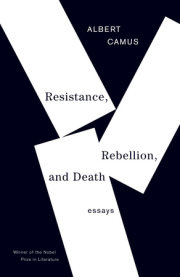
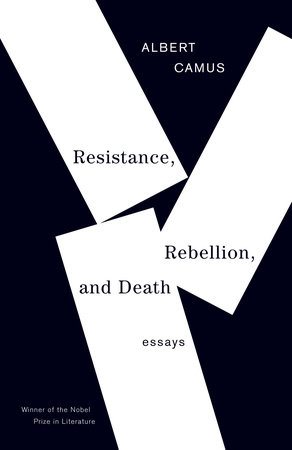
Resistance, Rebellion, and Death

Essays

NOBEL PRIZE WINNER • Twenty-three political essays that focus on the victims of history, from the fallen maquis of the French Resistance to the casualties of the Cold War.

In the speech he gave upon accepting the Nobel Prize for Literature in 1957, Albert Camus said that a writer "cannot serve today those who make history; he must serve those who are subject to it."

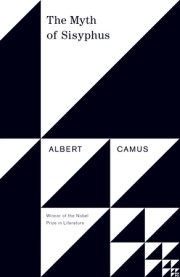
Resistance, Rebellion and Death displays Camus' rigorous moral intelligence addressing issues that range from colonial warfare in Algeria to the social cancer of capital punishment. But this stirring book is above all a reflection on the problem of freedom, and, as such, belongs in the same tradition as the works that gave Camus his reputation as the conscience of our century: The Stranger, The Rebel, and The Myth of Sisyphus.
"Resistance, Rebellion, and Death bears witness to the passionately scrupulous sense of responsibility which made Camus the kind of man and the kind of writer he was." —The Christian Science Monitor
ALBERT CAMUS was born in Algeria in 1913. He spent the early years of his life in North Africa, where he became a journalist. During World War II, he was one of the leading writers of the French Resistance and an editor of Combat, an underground newspaper he helped found. His fiction, including The Stranger, The Plague, The Fall, and Exile and the Kingdom; his philosophical essays The Myth of Sisyphus and The Rebel and his plays The Just Assassins, The Misunderstanding, and Caligula have assured his preeminent position in modern literature and philosophy. In 1957, Camus was awarded the Nobel Prize in Literature. On January 4, 1960, he was killed in a car accident. View titles by Albert Camus
Letters to a German Friend

The Liberation of Paris
The Blood of Freedom
The Night of Truth


Pessimism and Tyranny
Pessimism and Courage
Defense of Intelligence


The Unbeliever and Christians

Why Spain?

Defense of Freedom
Bread and Freedom
Homage to an Exile


Algeria
Preface to Algerian Reports
Letter to an Algerian Militant
Appeal for a Civilian Truce
Algeria 1958


Hungary
Kadar Had His Day of Fear
Socialism of the Gallows


Reflections of the Guillotine

The Artist and His Time
The Wager of Our Generation
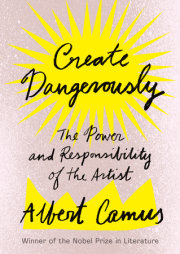
Create Dangerously

About

NOBEL PRIZE WINNER • Twenty-three political essays that focus on the victims of history, from the fallen maquis of the French Resistance to the casualties of the Cold War.

In the speech he gave upon accepting the Nobel Prize for Literature in 1957, Albert Camus said that a writer "cannot serve today those who make history; he must serve those who are subject to it."

Resistance, Rebellion and Death displays Camus' rigorous moral intelligence addressing issues that range from colonial warfare in Algeria to the social cancer of capital punishment. But this stirring book is above all a reflection on the problem of freedom, and, as such, belongs in the same tradition as the works that gave Camus his reputation as the conscience of our century: The Stranger, The Rebel, and The Myth of Sisyphus.

Reviews

"Resistance, Rebellion, and Death bears witness to the passionately scrupulous sense of responsibility which made Camus the kind of man and the kind of writer he was." —The Christian Science Monitor

Author

ALBERT CAMUS was born in Algeria in 1913. He spent the early years of his life in North Africa, where he became a journalist. During World War II, he was one of the leading writers of the French Resistance and an editor of Combat, an underground newspaper he helped found. His fiction, including The Stranger, The Plague, The Fall, and Exile and the Kingdom; his philosophical essays The Myth of Sisyphus and The Rebel and his plays The Just Assassins, The Misunderstanding, and Caligula have assured his preeminent position in modern literature and philosophy. In 1957, Camus was awarded the Nobel Prize in Literature. On January 4, 1960, he was killed in a car accident. View titles by Albert Camus

Table of Contents

Letters to a German Friend

The Liberation of Paris
The Blood of Freedom
The Night of Truth


Pessimism and Tyranny
Pessimism and Courage
Defense of Intelligence


The Unbeliever and Christians

Why Spain?

Defense of Freedom
Bread and Freedom
Homage to an Exile


Algeria
Preface to Algerian Reports
Letter to an Algerian Militant
Appeal for a Civilian Truce
Algeria 1958


Hungary
Kadar Had His Day of Fear
Socialism of the Gallows


Reflections of the Guillotine

The Artist and His Time
The Wager of Our Generation
Create Dangerously
  • More Websites from
    Penguin Random House
  • Common Reads
  • Library Marketing