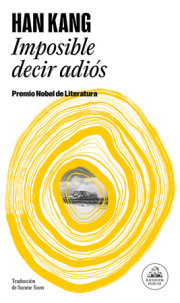
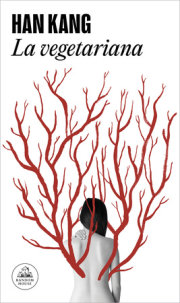
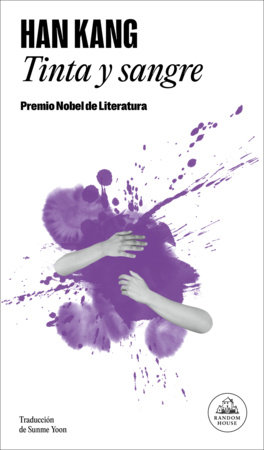
Después de La vegetariana, la novela inédita de la Premio Nobel Han Kang.
Un thriller poético y existencial
«Una de las escritoras más sublimes que pueblan el escenario contemporáneo». - Berna González Harbour, El País
«La literatura de Han Kang es un género en sí mismo». - Eun-Gwi Chung, World Literature Today
«Con unas pocas líneas atraviesa la experiencia humana en su totalidad». - Katie Kitamura
Cuando Inju, una reconocida pintora, muere en un accidente de coche, su mejor amiga, Cheonghee, se niega a creer lo que un crítico de arte afirma: que la artista se suicidó. Cheonghee se embarcará en una investigación obsesiva que la llevará a desentrañar aspectos desconocidos de una biografía cargada de fragilidad y desamparo. Pero la búsqueda de la verdad, a ratos peligrosa, supondrá remover su propia historia, hurgar en viejas heridas y padecer el vértigo que produce el misterio de la existencia.
Los sueños y los recuerdos, el arte y la astrofísica, la poesía y el suspense son algunos de los elementos que componen este peculiar y fascinante thriller que la Premio Nobel escribió después de La vegetariana.
En Tinta y sangre, Han Kang profundiza en las mismas preguntas de su anterior novela: «Si no podemos rechazar la vida y el mundo para huir de la violencia, y tampoco podemos convertirnos en plantas, ¿cómo seguir adelante?».
En este libro nos da la clave: debemos sobrevivir para dar testimonio de la verdad con nuestras vidas.
ENGLISH DESCRIPTION
Following The Vegetarian, the unpublished novel by Nobel Prize winner Han Kang.
A poetic and existential thriller
“One of the most sublime writers on the contemporary scene.” — Berna González Harbour, El País
“Han Kang’s literature is a genre unto itself.” — Eun-Gwi Chung, World Literature Today
“In just a few lines, she traverses the entirety of the human experience.” — Katie Kitamura
When Inju, a renowned painter, dies in a car accident, her best friend, Cheonghee, refuses to believe what an art critic claims: that the artist committed suicide. Cheonghee embarks on an obsessive investigation that will lead her to unravel unknown aspects of a life fraught with fragility and helplessness. But the search for the truth, at times dangerous, will mean digging into her own history, probing old wounds, and enduring the vertigo produced by the mystery of existence.
Dreams and memories, art and astrophysics, poetry and suspense are some of the elements that make up this peculiar and fascinating thriller that the Nobel Prize winner wrote after The Vegetarian.
In The Wind Is Blowing, Go Away, Han Kang delves into the same questions as in her previous novel: “If we cannot reject life and the world to escape violence, and we cannot become plants either, how do we move forward?”
In this book, she gives us the key: we must survive to bear witness to the truth with our lives.