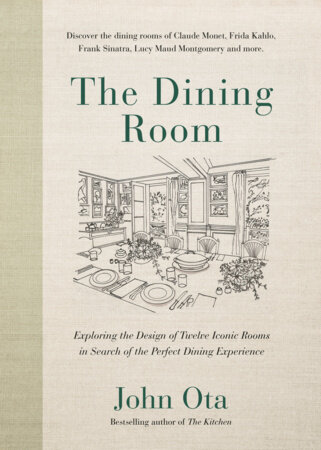
The Dining Room

Exploring the Design of Twelve Iconic Rooms in Search of the Perfect Dining Experience

Author John Ota On Tour
Look inside
Explore the stories behind twelve iconic dining rooms in homes around the world—from a Japanese samurai house to Jackie Kennedy’s White House—and travel through time in pursuit of the ultimate design.

Dive into history's most captivating dining rooms as bestselling author and architectural writer John Ota takes a fascinating journey across the globe, investigating the architecture, interior design, and dining experience of twelve remarkable spaces. John’s charming observations of the surprising impact of dining rooms on our lives and the cherished moments we share within them will delight armchair travelers, history fanatics, and interior design enthusiasts alike.
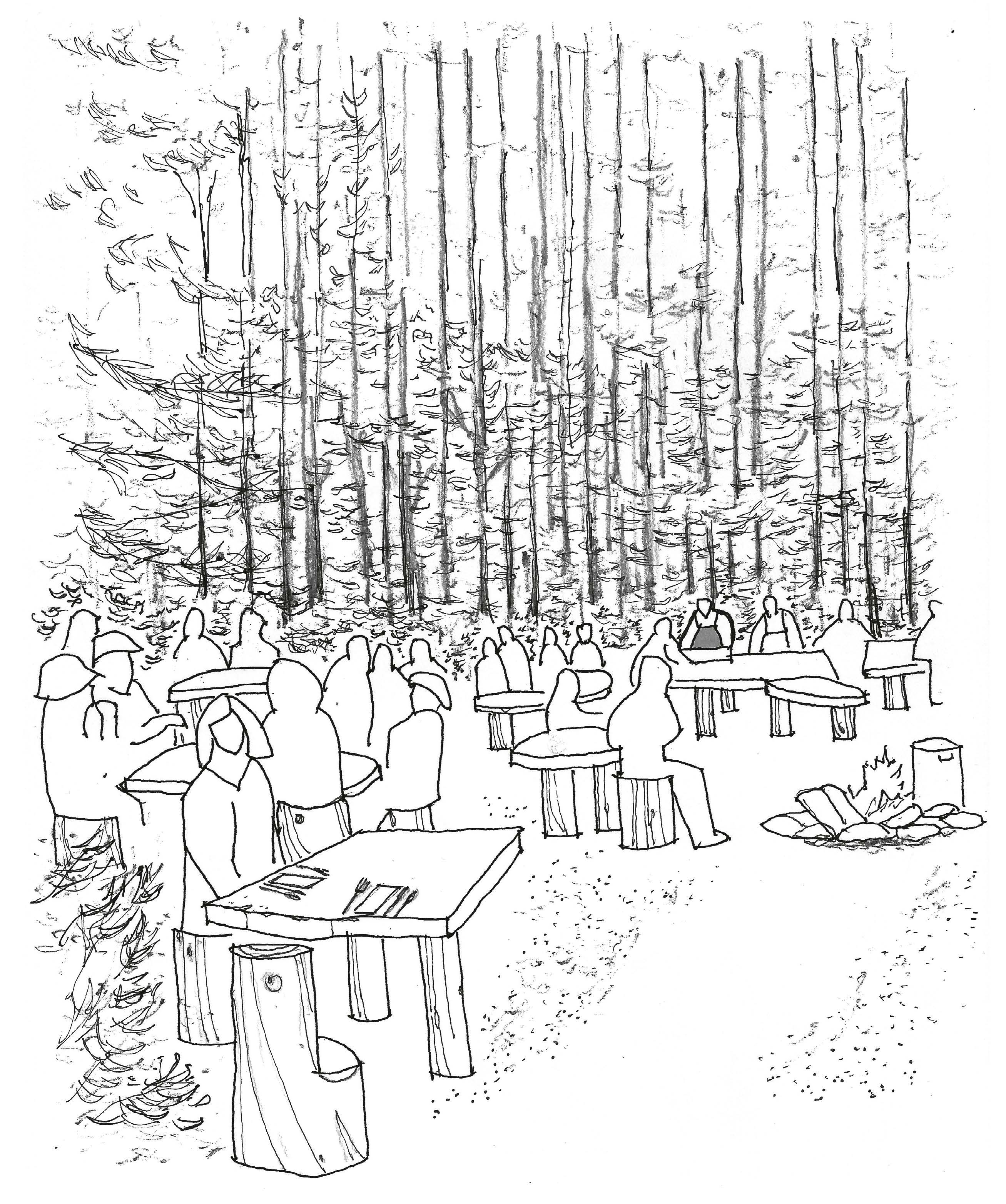
  • Firsthand accounts of iconic spaces: Tour Claude Monet’s garden-view dining roomin Giverny, France; visit Highclere Castle (the real Downton Abbey) in England; take part in a present-day farm-to-table feast in a Canadian forest; and enter Martin Luther King Jr.’s inspiring Atlanta, Georgia childhood home.
  • A spectrum of cultures and time periods: Travel from George Washington’s 1790 cabinet dinner to the historic Nomura Samurai House in Japan, and from Frida Kahlo’s vibrant Casa Azul in Mexico City to the countryside manse of legendary Anne of Green Gables author Lucy Maud Montgomery.
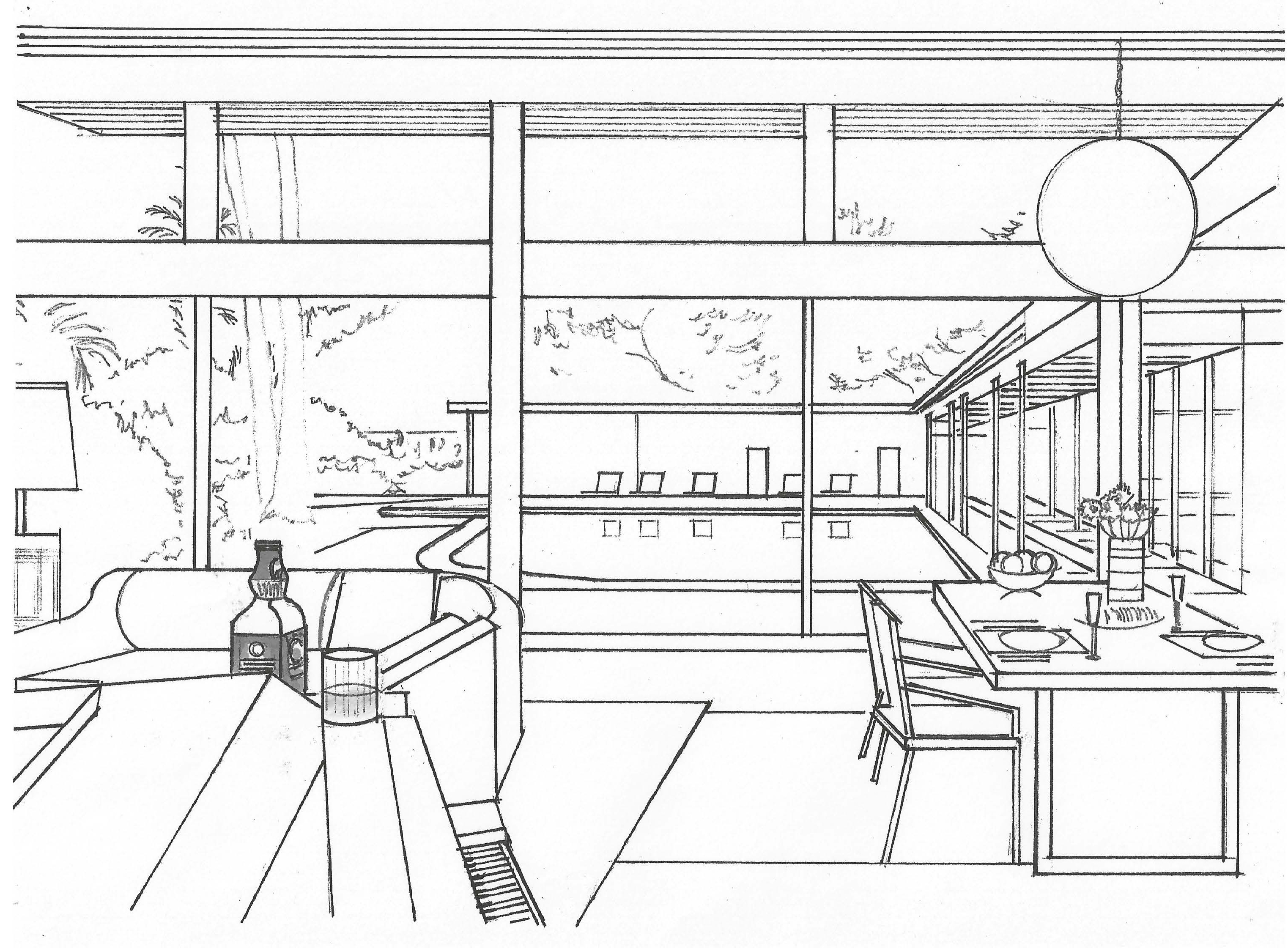
  • Brilliant (and useful!) design tips: Get inspired by Frank Sinatra’s mid-century modern Palm Springs patio for outdoor entertaining, the contemporary open concept of a modern-day architect’s home, Jackie Kennedy’s trendsetting take on the White House’s State Dining Room, and Edith Wharton’s subtle Gilded Age anomaly.
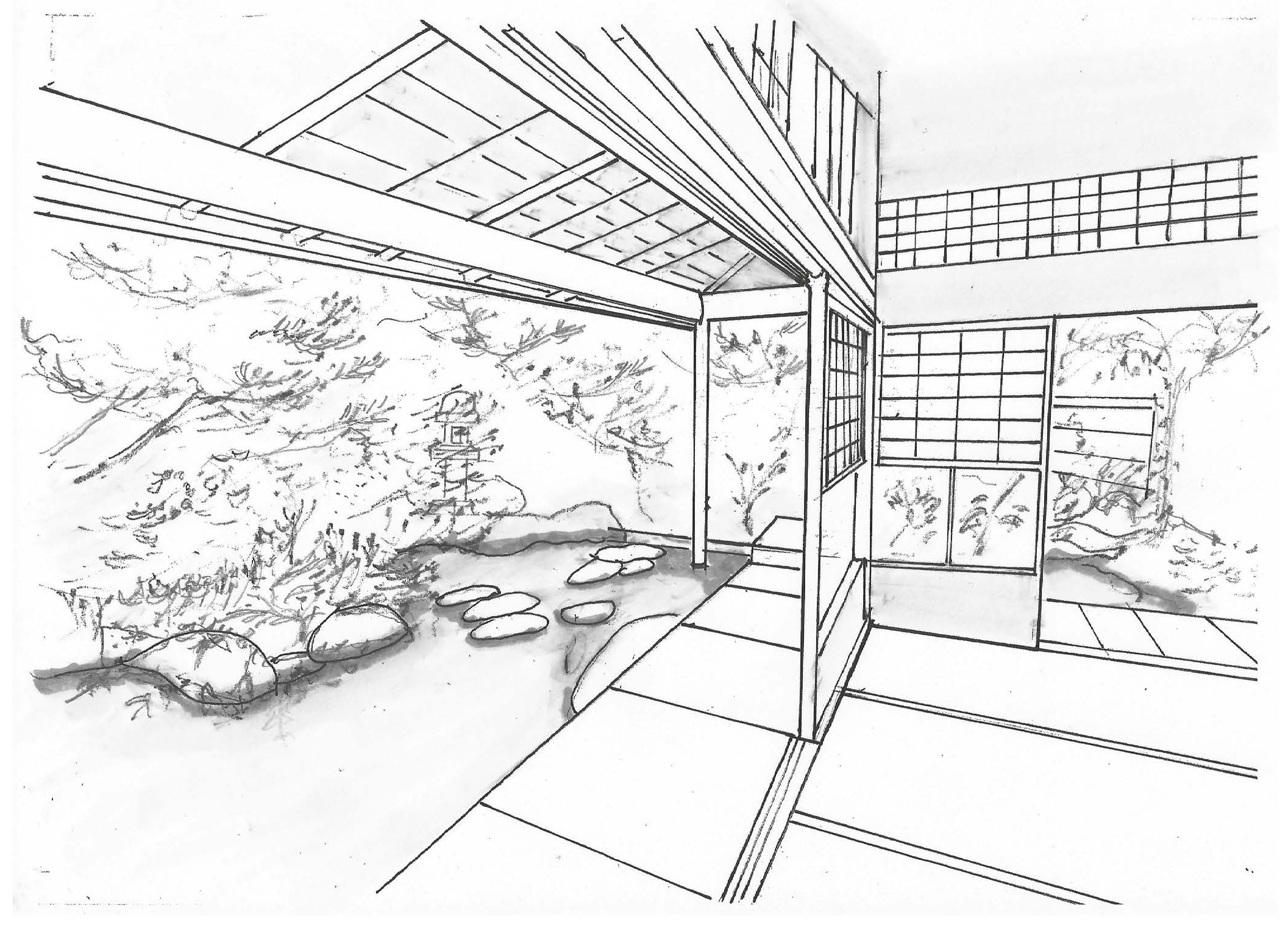
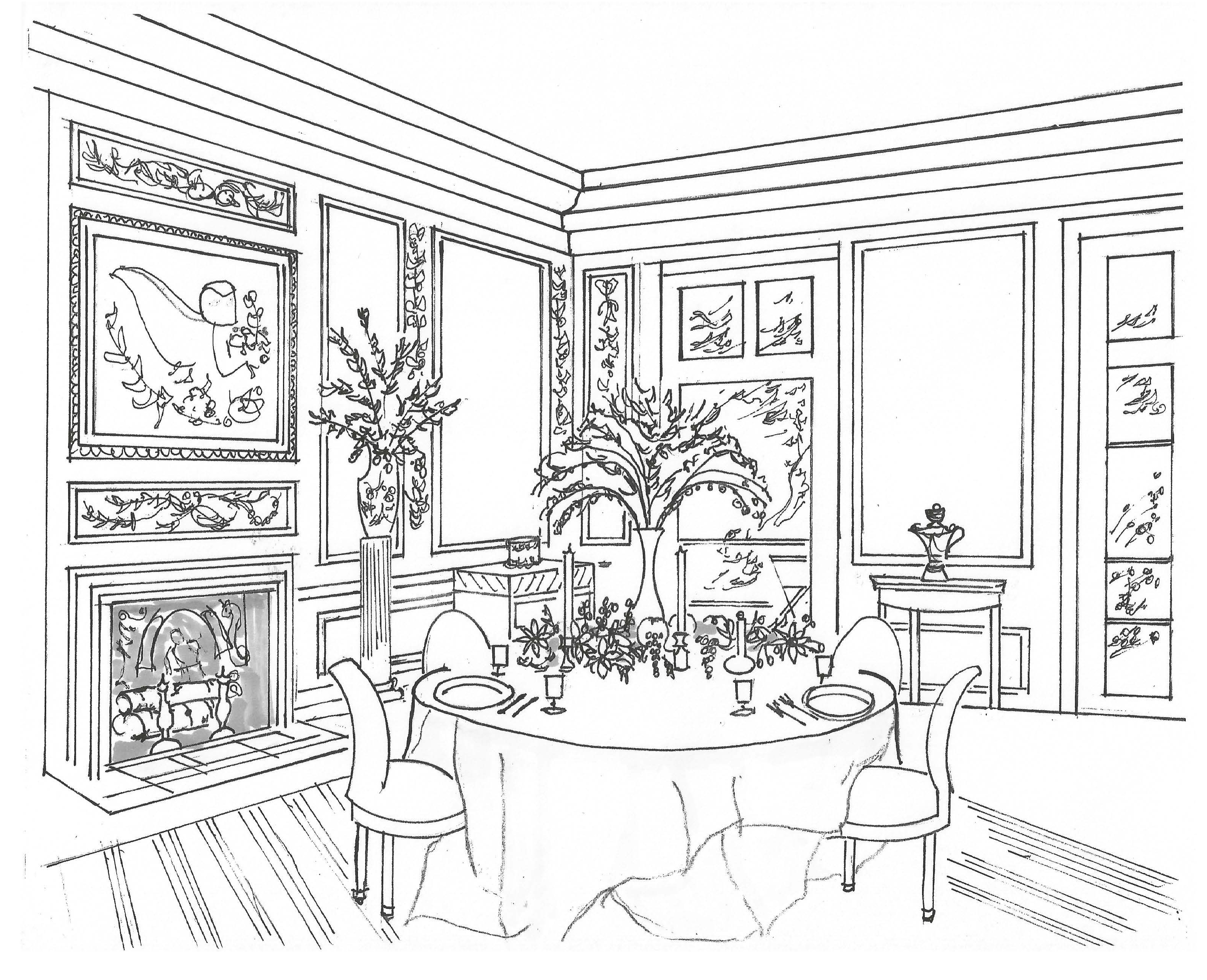
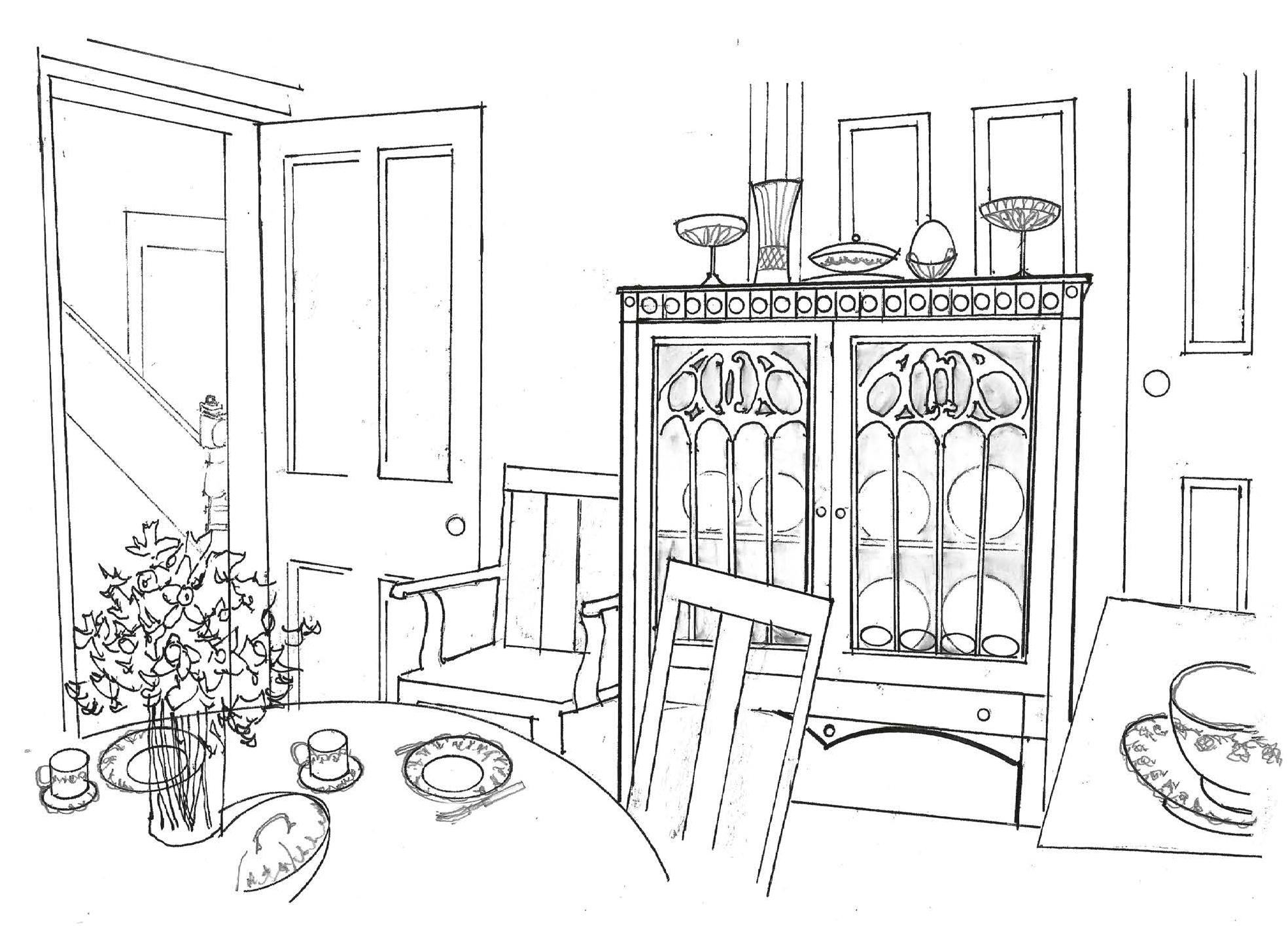
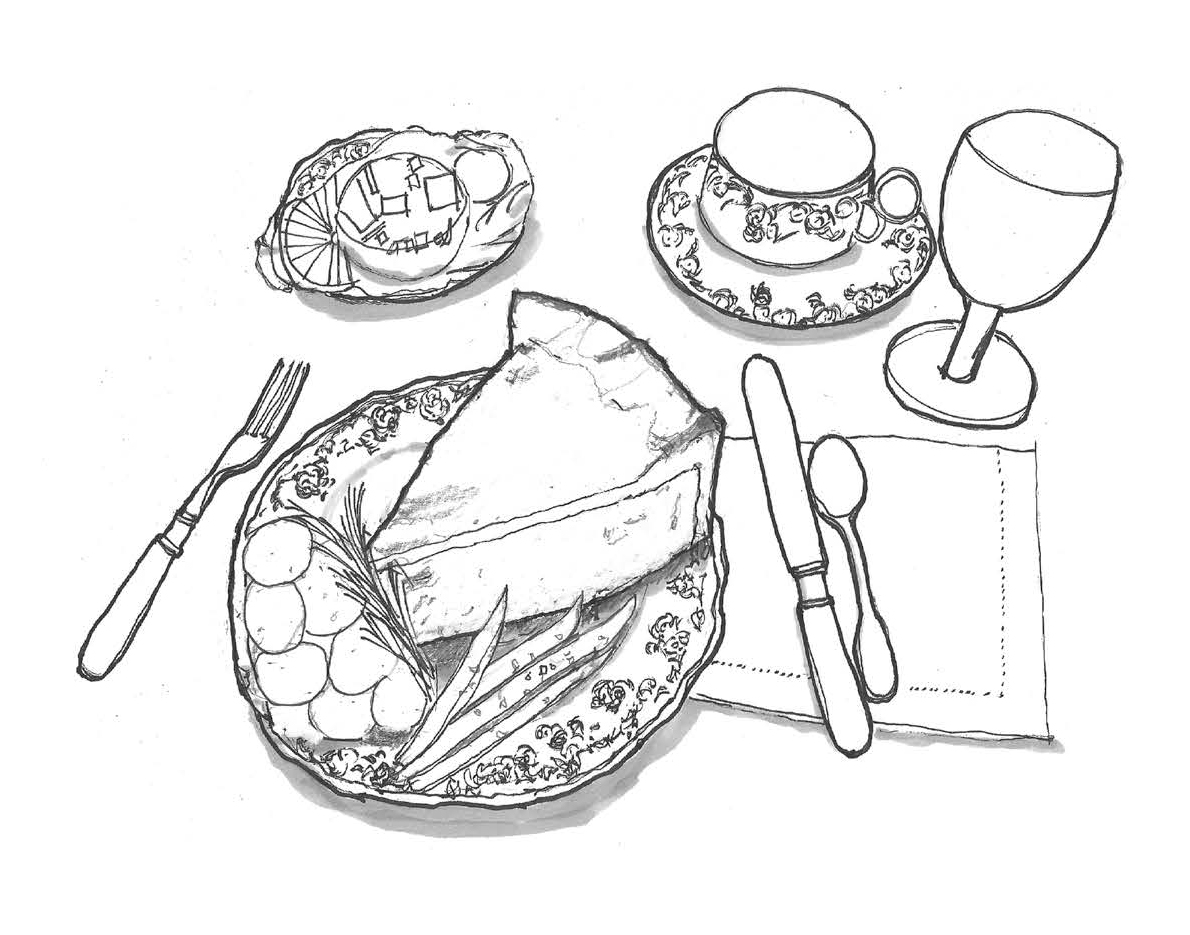
Each chapter features one unique dining room and bursts with expert architectural and interior descriptions along with John’s illustrations of the rooms and insight into the food served within—you can even recreate one era-accurate recipe for each location. Heartwarming and informative, The Dining Room is more than just a fun read—it’s an enlightening and joyous celebration of history, culture, and the art of dining.
Right from the beginning, I was obsessed with dinner. Some babies learn to talk early. Others learn to sit up early. I learned to hold a spoon and feed myself early. So it is no surprise that dinner holds a special place in my heart. [...]

I first became fascinated with the social significance of dinner and the dining room when I was an architecture student. On a tour in Chicago of the Robie House, designed by Frank Lloyd Wright, I learned that Wright wanted to reinforce the closeness of the Robie family unit, which he felt was sacred, through the design of the house.

For the dining area, Wright designed a sleek table and accompanying chairs with unusually high backs. More than just stylish flair, the high backs of the chairs had another purpose: to create another set of walls—a room within a room around the dinner table. Wright wanted the family to feel a sense of protection and togetherness; the family was not to be disturbed during their meal. [...]

But my favorite dining room was in the home where I grew up, a modest house built in 1910 in a working-class neighborhood of Toronto, Canada. The dining room was the focus of the house, a place for more than just eating—we all finished school projects and dutifully plowed through our homework at that table. But dinner was a main event for our family. [...]

Now Franny, my wife, has a significant birthday coming up. I want to get this one right. [...]

So I think it’s time for a huge celebration . . . and a new dining room.

To celebrate this significant birthday, I want to give Franny an all-out dinner party that she’ll never forget. To make it extra special, I want to truly understand all the elements that go into a great dinner and dining room. Of course that means outstanding food and drink, but I also want to explore the history of dinner and the dining room, the furniture design, decor, and etiquette. And there are so many intricacies surrounding this special meal that remain a mystery to me: invitations and outfits, table arrangements and seating plans, manners and conversation, entertainment and background music, and of course, the menu.

[…]

More than anything, I want to understand how dinner and architecture bring people together. I want to explore the ways that we can come together to create comfort, strengthen ties, and build personal relationships. I want to use dinner and the dining room as vehicles for people to open up to each other, let down their guard, and talk about life and possibilities for the world. And I won’t stop at conventional dining rooms as we know them: four-walled rooms with a long wood table designated for eating. Any place we gather to eat, drink, and share time with friends is fair game—inside the house, out front of the house, out back, or even in the garden. If we can have a great meal together in an unusual setting, I want to know about it.

So I am embarking on a journey. I hope to visit the most famous dining rooms and dinner sites in world history. I also want to step into the houses of people from different cultural backgrounds and experience their dinner customs and cuisines. My goal is to learn from these spaces to help make Franny’s birthday dinner—and our new dining room—a success. I believe that houses and their rooms and furnishings have a soul, that they are not inanimate objects. And so, along with some architectural and design pointers, I hope to discover the spirit and good feelings that once emanated from these iconic dining rooms.

Finally, to deliver the centerpiece of Franny’s special night (and maybe to satisfy my hunger pangs along my journey), I plan to make a dish from each historical dinner. [...]

Solutions to our ever-changing, fast-moving world might be more complicated than dinner and dining rooms, but I have always found that sharing a meal is a good place to start. Eating is something we all have in common.

I’ll start simple for Franny. One night, one dinner, one room.

But of course, I’ll make sure they’re the perfect ones.
PRAISE FOR THE KITCHEN

“The Kitchen is a literary feast and our hero, Mr. Ota, through his breezy writing style, oozes charm and likability.”
THE GLOBE & MAIL

“Impeccably researched and beautifully written, there is no other book I know of that
is quite like it.”
—BONNIE STERN
© Frances Rowe
John Ota has been involved with architecture and design since 1978, with degrees from Columbia University, the University of Toronto, and the University of British Columbia. His bestselling book The Kitchen was a 2021 Taste Canada Awards finalist and a 2021 Paris Gourmand Cookbook finalist in the book design category. After working in architecture in Toronto, New York, and Vancouver, John now loves to travel the world visiting historic houses, cooking regional food, and meeting people of all backgrounds. View titles by John Ota
additional book photo

About

Explore the stories behind twelve iconic dining rooms in homes around the world—from a Japanese samurai house to Jackie Kennedy’s White House—and travel through time in pursuit of the ultimate design.

Dive into history's most captivating dining rooms as bestselling author and architectural writer John Ota takes a fascinating journey across the globe, investigating the architecture, interior design, and dining experience of twelve remarkable spaces. John’s charming observations of the surprising impact of dining rooms on our lives and the cherished moments we share within them will delight armchair travelers, history fanatics, and interior design enthusiasts alike.
  • Firsthand accounts of iconic spaces: Tour Claude Monet’s garden-view dining roomin Giverny, France; visit Highclere Castle (the real Downton Abbey) in England; take part in a present-day farm-to-table feast in a Canadian forest; and enter Martin Luther King Jr.’s inspiring Atlanta, Georgia childhood home.
  • A spectrum of cultures and time periods: Travel from George Washington’s 1790 cabinet dinner to the historic Nomura Samurai House in Japan, and from Frida Kahlo’s vibrant Casa Azul in Mexico City to the countryside manse of legendary Anne of Green Gables author Lucy Maud Montgomery.
  • Brilliant (and useful!) design tips: Get inspired by Frank Sinatra’s mid-century modern Palm Springs patio for outdoor entertaining, the contemporary open concept of a modern-day architect’s home, Jackie Kennedy’s trendsetting take on the White House’s State Dining Room, and Edith Wharton’s subtle Gilded Age anomaly.
Each chapter features one unique dining room and bursts with expert architectural and interior descriptions along with John’s illustrations of the rooms and insight into the food served within—you can even recreate one era-accurate recipe for each location. Heartwarming and informative, The Dining Room is more than just a fun read—it’s an enlightening and joyous celebration of history, culture, and the art of dining.

Excerpt

Right from the beginning, I was obsessed with dinner. Some babies learn to talk early. Others learn to sit up early. I learned to hold a spoon and feed myself early. So it is no surprise that dinner holds a special place in my heart. [...]

I first became fascinated with the social significance of dinner and the dining room when I was an architecture student. On a tour in Chicago of the Robie House, designed by Frank Lloyd Wright, I learned that Wright wanted to reinforce the closeness of the Robie family unit, which he felt was sacred, through the design of the house.

For the dining area, Wright designed a sleek table and accompanying chairs with unusually high backs. More than just stylish flair, the high backs of the chairs had another purpose: to create another set of walls—a room within a room around the dinner table. Wright wanted the family to feel a sense of protection and togetherness; the family was not to be disturbed during their meal. [...]

But my favorite dining room was in the home where I grew up, a modest house built in 1910 in a working-class neighborhood of Toronto, Canada. The dining room was the focus of the house, a place for more than just eating—we all finished school projects and dutifully plowed through our homework at that table. But dinner was a main event for our family. [...]

Now Franny, my wife, has a significant birthday coming up. I want to get this one right. [...]

So I think it’s time for a huge celebration . . . and a new dining room.

To celebrate this significant birthday, I want to give Franny an all-out dinner party that she’ll never forget. To make it extra special, I want to truly understand all the elements that go into a great dinner and dining room. Of course that means outstanding food and drink, but I also want to explore the history of dinner and the dining room, the furniture design, decor, and etiquette. And there are so many intricacies surrounding this special meal that remain a mystery to me: invitations and outfits, table arrangements and seating plans, manners and conversation, entertainment and background music, and of course, the menu.

[…]

More than anything, I want to understand how dinner and architecture bring people together. I want to explore the ways that we can come together to create comfort, strengthen ties, and build personal relationships. I want to use dinner and the dining room as vehicles for people to open up to each other, let down their guard, and talk about life and possibilities for the world. And I won’t stop at conventional dining rooms as we know them: four-walled rooms with a long wood table designated for eating. Any place we gather to eat, drink, and share time with friends is fair game—inside the house, out front of the house, out back, or even in the garden. If we can have a great meal together in an unusual setting, I want to know about it.

So I am embarking on a journey. I hope to visit the most famous dining rooms and dinner sites in world history. I also want to step into the houses of people from different cultural backgrounds and experience their dinner customs and cuisines. My goal is to learn from these spaces to help make Franny’s birthday dinner—and our new dining room—a success. I believe that houses and their rooms and furnishings have a soul, that they are not inanimate objects. And so, along with some architectural and design pointers, I hope to discover the spirit and good feelings that once emanated from these iconic dining rooms.

Finally, to deliver the centerpiece of Franny’s special night (and maybe to satisfy my hunger pangs along my journey), I plan to make a dish from each historical dinner. [...]

Solutions to our ever-changing, fast-moving world might be more complicated than dinner and dining rooms, but I have always found that sharing a meal is a good place to start. Eating is something we all have in common.

I’ll start simple for Franny. One night, one dinner, one room.

But of course, I’ll make sure they’re the perfect ones.

Reviews

PRAISE FOR THE KITCHEN

“The Kitchen is a literary feast and our hero, Mr. Ota, through his breezy writing style, oozes charm and likability.”
THE GLOBE & MAIL

“Impeccably researched and beautifully written, there is no other book I know of that
is quite like it.”
—BONNIE STERN

Author

© Frances Rowe
John Ota has been involved with architecture and design since 1978, with degrees from Columbia University, the University of Toronto, and the University of British Columbia. His bestselling book The Kitchen was a 2021 Taste Canada Awards finalist and a 2021 Paris Gourmand Cookbook finalist in the book design category. After working in architecture in Toronto, New York, and Vancouver, John now loves to travel the world visiting historic houses, cooking regional food, and meeting people of all backgrounds. View titles by John Ota

Photos

additional book photo
  • More Websites from
    Penguin Random House
  • Common Reads
  • Library Marketing