
Dear Librarians,
I discovered libraries when I was old enough to be dumbstruck (and perhaps suspicious of) the golden apple they seemed to give generously. What do you mean the wealth of knowledge was at my fingertips, for free? Books were often my only consistent companion through many cross-continent moves, but I always had the problem of reading myself out of house and home. When my college roommate in the States introduced me to libraries, I was downright beguiled. (I still haven’t found the catch; perhaps libraries are the sole exception to the ‘too good to be true’ rule.)
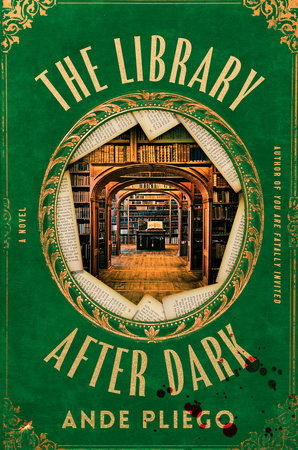
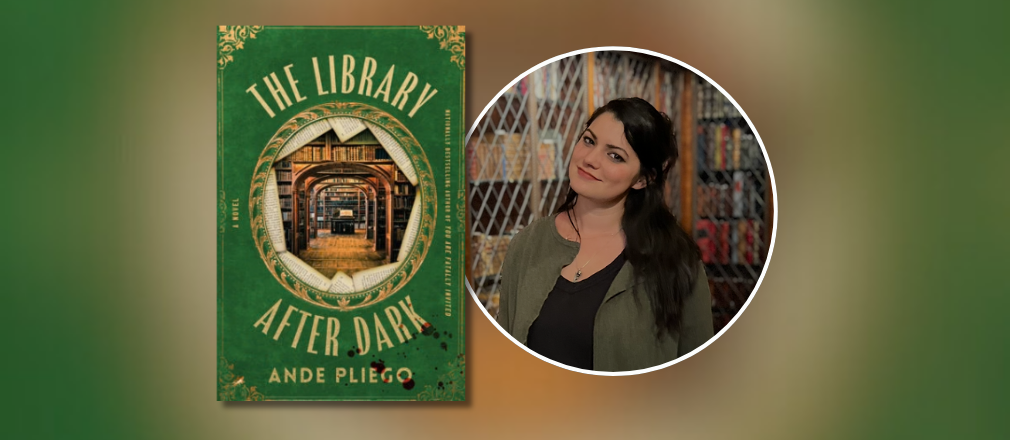
Libraries have never lost their magic for me. On the surface, this admiration gave life to what is now The Library After Dark, my darkly whimsical locked-room thriller about a rather unfortunate after-dark tour group trapped within a potentially haunted library with a murderer who can walk through walls. Stir in a cursed manuscript of dark fairytales, a library founder obsessed with the macabre, and a dash of romance, and the end goal is a cauldron of Lucy Foley thrills, Katy Hays atmosphere, and Meg Shaeffer whimsy.
For years now libraries have been the cure for my bone-deep yearning for story. That is only possible because of your career’s lineage: the reverence of knowledge, and passion for sharing it with the world. You are here to pose questions just as much as answer them, to encourage understanding and critical thought, and to preserve literature and history. And what a history the book world has—in researching this story, I fell down a rabbit hole into a wonderland of library lore as mesmerizing as it is bizarre: the untranslatable Voynich manuscript, the death-stalked 1600s novel The Orphan’s Story, the forgery debacle of Galileo’s Sidereus Nuncius, the recently discovered lost Merlin manuscript, the Paris Green dye that rendered so many Victorian-era books poisonous to the touch… history is teeming with these incredible stories, dark stories stranger than fiction, and I’ve been collecting them like a magpie to sneak into these pages.
On a deeper level, I wrote this story for those who, as children, lost and found themselves again in folk tales, and for anyone who has ever found courage in a book. I wanted to capture the whimsy and horror of fairytales, because the best ones—in my opinion—have a bit of both, and perhaps that is, too, both the beauty and curse of life. If my debut You Are Fatally Invited was about the emotion of want and what you do with it, this book is about fear, and how you face it. It’s about the moments that reduce us to our most terrified, child-like selves, and the stories that put a sword in our hands and teach us to say like Edmond Dantés, ‘do your worst, for I will do mine.’ Monsters abound, but books can be a lifeline. What better place to ready your mind for war—or, life—than a library?
Beneath the rumors of hauntings and the web of interconnected fairytales, The Library After Dark is a love letter to libraries and books, to those who place knowledge into the hands of any who may not experience it otherwise. It’s a book for literature nerds and history magpies, for those fascinated by the ways stories shape us as children and beyond. I hope you find pieces of yourself in these pages, and it takes you back to when the magic of story first spoke to you.
With all my gratitude,
Ande Pliego