Ruth

A Novel

Introduction by Rufi Thorpe
Paperback
$18.00 US
| $26.00 CAN
On sale Nov 17, 2026 | 480 Pages | 9798217197408
Grades 9-12 + AP/IB

See Additional Formats
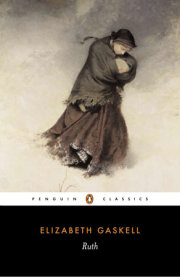
This overlooked, prescient masterpiece from the author of North and South is a revolutionary and tenderhearted portrait of a "fallen woman"—now featuring a brilliant introduction by Rufi Thorpe

When good-natured yet headstrong orphan Ruth Hilton catches the eye of a society man—Henry Bellingham—she feels like her life is finally beginning. Leaving behind the dressmakers shop where she stitched her life away with the other girls, she allows Mr. Bellingham's love and attention nourish her soul. But when he realizes that taking up with a young, poor girl will inevitably destroy his reputation, he abandons her, leaving Ruth without comfort or shelter.

Having lost her housing, livelihood, and trust in others, Ruth is barely grasping on to her will to live when she is offered a new home by a pair of quirky siblings who are part of the Dissenting church. But will they, and the wider community, be so welcoming when they discover Ruth's secret—that she is pregnant with Mr. Bellingham's child?

An intricately woven exemplar of the Victorian "social" novel, Ruth deftly and bravely explores the dire circumstances of illegitimacy in the nineteenth century. Elizabeth Gaskell was far ahead of her time, and her encouragement of empathy in the face of stigma and shame is more important than ever.
Elizabeth Cleghorn Gaskell was born in London in 1810, but she spent her formative years in Cheshire, Stratford-upon-Avon and the north of England. In 1832 she married the Reverend William Gaskell, who became well known as the minister of the Unitarian Chapel in Manchester’s Cross Street. As well as leading a busy domestic life as minister’s wife and mother of four daughters, she worked among the poor, traveled frequently and wrote. Mary Barton (1848) was her first success.

Two years later she began writing for Dickens’s magazine, Household Words, to which she contributed fiction for the next thirteen years, notably a further industrial novel, North and South (1855). In 1850 she met and secured the friendship of Charlotte Brontë. After Charlotte’s death in March 1855, Patrick Brontë chose his daughter’s friend and fellow-novelist to write The Life of Charlotte Brontë (1857), a probing and sympathetic account, that has attained classic stature. Elizabeth Gaskell’s position as a clergyman’s wife and as a successful writer introduced her to a wide circle of friends, both from the professional world of Manchester and from the larger literary world. Her output was substantial and completely professional. Dickens discovered her resilient strength of character when trying to impose his views on her as editor of Household Words. She proved that she was not to be bullied, even by such a strong-willed man.

Her later works, Sylvia’s Lovers (1863), Cousin Phillis (1864) and Wives and Daughters (1866) reveal that she was continuing to develop her writing in new literary directions. Elizabeth Gaskell died suddenly in November 1865.

View titles by Elizabeth Gaskell

About

This overlooked, prescient masterpiece from the author of North and South is a revolutionary and tenderhearted portrait of a "fallen woman"—now featuring a brilliant introduction by Rufi Thorpe

When good-natured yet headstrong orphan Ruth Hilton catches the eye of a society man—Henry Bellingham—she feels like her life is finally beginning. Leaving behind the dressmakers shop where she stitched her life away with the other girls, she allows Mr. Bellingham's love and attention nourish her soul. But when he realizes that taking up with a young, poor girl will inevitably destroy his reputation, he abandons her, leaving Ruth without comfort or shelter.

Having lost her housing, livelihood, and trust in others, Ruth is barely grasping on to her will to live when she is offered a new home by a pair of quirky siblings who are part of the Dissenting church. But will they, and the wider community, be so welcoming when they discover Ruth's secret—that she is pregnant with Mr. Bellingham's child?

An intricately woven exemplar of the Victorian "social" novel, Ruth deftly and bravely explores the dire circumstances of illegitimacy in the nineteenth century. Elizabeth Gaskell was far ahead of her time, and her encouragement of empathy in the face of stigma and shame is more important than ever.

Author

Elizabeth Cleghorn Gaskell was born in London in 1810, but she spent her formative years in Cheshire, Stratford-upon-Avon and the north of England. In 1832 she married the Reverend William Gaskell, who became well known as the minister of the Unitarian Chapel in Manchester’s Cross Street. As well as leading a busy domestic life as minister’s wife and mother of four daughters, she worked among the poor, traveled frequently and wrote. Mary Barton (1848) was her first success.

Two years later she began writing for Dickens’s magazine, Household Words, to which she contributed fiction for the next thirteen years, notably a further industrial novel, North and South (1855). In 1850 she met and secured the friendship of Charlotte Brontë. After Charlotte’s death in March 1855, Patrick Brontë chose his daughter’s friend and fellow-novelist to write The Life of Charlotte Brontë (1857), a probing and sympathetic account, that has attained classic stature. Elizabeth Gaskell’s position as a clergyman’s wife and as a successful writer introduced her to a wide circle of friends, both from the professional world of Manchester and from the larger literary world. Her output was substantial and completely professional. Dickens discovered her resilient strength of character when trying to impose his views on her as editor of Household Words. She proved that she was not to be bullied, even by such a strong-willed man.

Her later works, Sylvia’s Lovers (1863), Cousin Phillis (1864) and Wives and Daughters (1866) reveal that she was continuing to develop her writing in new literary directions. Elizabeth Gaskell died suddenly in November 1865.

View titles by Elizabeth Gaskell
  • More Websites from
    Penguin Random House
  • Common Reads
  • Library Marketing