«La voz de Alexiévich es mucho más que la suma de las voces que recoge, consiguiendo que la guerra sea tan omnipresente y tan personal, tan real, como cualquier relato de fi cción lo logró de cualquier otra guerra.» -Philip Gourevitch, The New Yorker
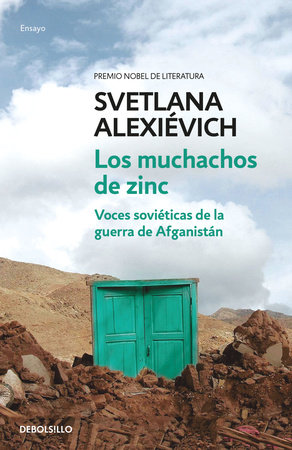
Entre 1979 y 1989 un millón de tropas soviéticas combatieron en una guerra devastadora en Afganistán que el régimen comunista intentó ocultar: los muertos volvían a casa en ataúdes de zinc sellados, mientras que el Estado no reconocía el conflicto. Los muchachos de zinc generó una inmensa polémica cuando fue publicada originalmente en la Unión Soviética. Alexiévich presenta el testimonio cándido y emocionante de los ofi ciales y los soldados rasos, de las enfermeras y las prostitutas, las madres, los hijos y las hijas que describen la guerra y sus duraderos efectos. El resultado es un relato turbador que expone la verdad de la lucha armada.
ENGLISH DESCRIPTION
Winner of the Nobel Prize: “For her polyphonic writings, a monument to suffering and courage in our time.” -Swedish Academy, Nobel Prize citation
Afghanistan that claimed 50,000 casualties and the youth and humanity of many tens of thousands more. Creating controversy and outrage when it was first published in the USSR, it was called by reviewers there a “slanderous piece of fantasy” and part of a “hysterical chorus of malign attacks”. Zinky Boys presents the candid and affecting testimony of the officers and grunts, nurses and prostitutes, mothers, sons, and daughters who describe the war and its lasting effects.
What emerges is a story that is shocking in its brutality and revelatory in its similarities to the American experience in Vietnam. The Soviet dead were shipped back in sealed zinc coffins (hence the term “Zinky Boys”), while the state denied the very existence of the conflict. Svetlana Alexievich brings us the truth of the Soviet-Afghan War: the beauty of the country and the savage Army bullying, the killing and the mutilation, the profusion of Western goods, the shame and shattered lives of returned veterans. Zinky Boys offers a unique, harrowing, and unforgettably powerful insight into the realities of war.
Svetlana Alexiévich (1948) es una prestigiosa periodista y escritora bielorrusa cuya obra ofrece un retrato profundamente crítico de la antigua Unión Soviética y de las secuelas que ha dejado en sus habitantes.
Su espíritu crítico, su profundo compromiso con los que sufren y su fructífera carrera literaria han sido reconocidos con innumerables galardones, entre los que cabe destacar el premio Nobel de Literatura (2015), el Premio Ryszard-Kapuscinski de Polonia (1996), el Premio Herder de Austria (1999), el Premio Nacional del Círculo de Críticos de Estados Unidos (2006), el Premio Médicis de Ensayo en Francia (2013) y el Premio de la Paz de los libreros alemanes (2013). Es oficial de la orden de las Artes y las Letras de la República Francesa y doctora honoris causa por la Universidad Complutense de Madrid.
«La voz de Alexiévich es mucho más que la suma de las voces que recoge, consiguiendo que la guerra sea tan omnipresente y tan personal, tan real, como cualquier relato de fi cción lo logró de cualquier otra guerra.» -Philip Gourevitch, The New Yorker
Entre 1979 y 1989 un millón de tropas soviéticas combatieron en una guerra devastadora en Afganistán que el régimen comunista intentó ocultar: los muertos volvían a casa en ataúdes de zinc sellados, mientras que el Estado no reconocía el conflicto. Los muchachos de zinc generó una inmensa polémica cuando fue publicada originalmente en la Unión Soviética. Alexiévich presenta el testimonio cándido y emocionante de los ofi ciales y los soldados rasos, de las enfermeras y las prostitutas, las madres, los hijos y las hijas que describen la guerra y sus duraderos efectos. El resultado es un relato turbador que expone la verdad de la lucha armada.
ENGLISH DESCRIPTION
Winner of the Nobel Prize: “For her polyphonic writings, a monument to suffering and courage in our time.” -Swedish Academy, Nobel Prize citation
Afghanistan that claimed 50,000 casualties and the youth and humanity of many tens of thousands more. Creating controversy and outrage when it was first published in the USSR, it was called by reviewers there a “slanderous piece of fantasy” and part of a “hysterical chorus of malign attacks”. Zinky Boys presents the candid and affecting testimony of the officers and grunts, nurses and prostitutes, mothers, sons, and daughters who describe the war and its lasting effects.
What emerges is a story that is shocking in its brutality and revelatory in its similarities to the American experience in Vietnam. The Soviet dead were shipped back in sealed zinc coffins (hence the term “Zinky Boys”), while the state denied the very existence of the conflict. Svetlana Alexievich brings us the truth of the Soviet-Afghan War: the beauty of the country and the savage Army bullying, the killing and the mutilation, the profusion of Western goods, the shame and shattered lives of returned veterans. Zinky Boys offers a unique, harrowing, and unforgettably powerful insight into the realities of war.
Author
Svetlana Alexiévich (1948) es una prestigiosa periodista y escritora bielorrusa cuya obra ofrece un retrato profundamente crítico de la antigua Unión Soviética y de las secuelas que ha dejado en sus habitantes.
Su espíritu crítico, su profundo compromiso con los que sufren y su fructífera carrera literaria han sido reconocidos con innumerables galardones, entre los que cabe destacar el premio Nobel de Literatura (2015), el Premio Ryszard-Kapuscinski de Polonia (1996), el Premio Herder de Austria (1999), el Premio Nacional del Círculo de Críticos de Estados Unidos (2006), el Premio Médicis de Ensayo en Francia (2013) y el Premio de la Paz de los libreros alemanes (2013). Es oficial de la orden de las Artes y las Letras de la República Francesa y doctora honoris causa por la Universidad Complutense de Madrid.