The revolutionary nature of art, from the groundbreaking author of Ways of Seeing
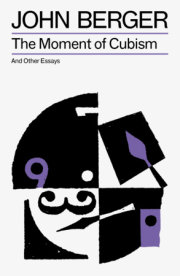
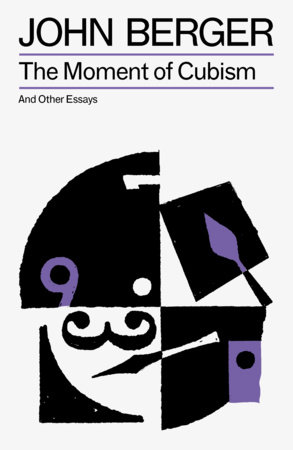
The Moment of Cubism is one of John Berger’s most important collections of art criticism. Whether considering Vermeer in his studio, Poussin’s poignant meditation on death, or the complexities of Rodin’s sculpture, Berger draws together the threads that bind individual artists to their social and political context. Here Berger argues that Cubism was a moment rather than a movement, one that came and went without the consent of its key figures – Picasso and Braque above all. He makes a case for Cubism’s revolutionary influence. As always, Berger helps us see the world in new ways.
"“The Moment of Cubism” is my touchstone – complex, provocative, evocative, informative, and, like many of his most important writings, the context and the spur for its creation seem mysteriously not tied to commercial publishing schedules or to art-market exigencies … a thrilling essay" —Mira Schor, Artforum
"Some of the most astute critics and historians of modern painting, among whom John Berger, English novelist and art critic of the New Statesman, occupies an eminent place, believe that Picasso and Braque never surpassed the works of their Cubist period" —New York Times
Storyteller, novelist, essayist, screenwriter, dramatist and critic, John Berger (1926-2017) was one of the most internationally influential writers of the last fifty years. His many books include Ways of Seeing; the fiction trilogy Into Their Labours; Here Is Where We Meet; the Booker Prize-winning novel G; Hold Everything Dear; the Man Booker-longlisted From A to X; and A Seventh Man.
The revolutionary nature of art, from the groundbreaking author of Ways of Seeing
The Moment of Cubism is one of John Berger’s most important collections of art criticism. Whether considering Vermeer in his studio, Poussin’s poignant meditation on death, or the complexities of Rodin’s sculpture, Berger draws together the threads that bind individual artists to their social and political context. Here Berger argues that Cubism was a moment rather than a movement, one that came and went without the consent of its key figures – Picasso and Braque above all. He makes a case for Cubism’s revolutionary influence. As always, Berger helps us see the world in new ways.
Reviews
"“The Moment of Cubism” is my touchstone – complex, provocative, evocative, informative, and, like many of his most important writings, the context and the spur for its creation seem mysteriously not tied to commercial publishing schedules or to art-market exigencies … a thrilling essay" —Mira Schor, Artforum
"Some of the most astute critics and historians of modern painting, among whom John Berger, English novelist and art critic of the New Statesman, occupies an eminent place, believe that Picasso and Braque never surpassed the works of their Cubist period" —New York Times
Author
Storyteller, novelist, essayist, screenwriter, dramatist and critic, John Berger (1926-2017) was one of the most internationally influential writers of the last fifty years. His many books include Ways of Seeing; the fiction trilogy Into Their Labours; Here Is Where We Meet; the Booker Prize-winning novel G; Hold Everything Dear; the Man Booker-longlisted From A to X; and A Seventh Man.