A Chess Story

Translated by Alexander Starritt
The large steamship leaving New York for Buenos Aires at midnight was caught up in the usual bustle and commotion of the hour before sailing. Visitors from shore pressed past one another to take leave of their friends, telegraph boys in skew-whiff caps shot names through the lounges, cases and flowers were brought and inquisitive children ran up and down flights of stairs while the orches-tra played imperturbably on deck. I was standing in conversation with a friend on the promenade deck, slightly apart from this turmoil, when flash-bulbs popped starkly two or three times beside us—it seemed that a few reporters had managed to hastily interview and photograph some celebrity just before our departure. My friend looked across and smiled.

“You have an odd fish on board with you there, that’s Czentovic.” And since I must have looked fairly baffled in response to this news, he explained by adding, “Mirko Czentovic, the world chess champion. He’s worked over the whole USA with his tournaments and now he’s off to conquests new in Argentina.”

As a matter of fact I did now remember this young world champion and even some details of his meteoric career; my friend, a more attentive reader of the newspapers than I am, was able to expand on them with a whole series of anecdotes. Around a year previously, Czentovic had put himself on a level with the most established old masters of the art of chess—Alekhine, Capablanca, Tartakower, Lasker, Bogolyubov—at a single stroke; not since the appearance of the seven-year-old wunderkind Reshevsky at the 1922 New York Masters had the irruption of an unknown into the hallowed guild aroused such a general furore. For in no way was such dazzling success indicated by Czentovic’s intel-lectual capabilities. It soon trickled out that in his private life this chess champion was incapable of writing so much as one sentence correctly in any language and, in the angry taunt of one of his dis-gruntled colleagues, “his education in every field was uniformly nil.” The son of a dirt-poor boatman on the middle Danube whose tiny coracle was run over one night by a grain freighter, the then twelve-year-old was taken in out of pity after the death of his father by the priest of their remote hamlet, and the good pastor did his best to make up with extra help at home all that the dull, uncommunica-tive, thick-skulled child was unable to learn in the village school.

But his efforts were in vain. Even after the alpha-bet had been explained to him a hundred times, in each lesson Mirko would again stare at every letter in renewed ignorance; his lumbering brain lacked the power to retain even so simple a concept. When supposedly doing mental arithmetic, he still at fourteen had to employ his fingers to help, and reading a book or newspaper still amounted to an especial strain for the already adolescent boy. Yet Mirko could not in any way be called recalcitrant or unwilling. He obediently did what he was asked, fetched water, chopped wood, helped in the fields, tidied the kitchen and reliably carried out, albeit with an infuriating slowness, whatever task he was assigned. What, however, dismayed the good priest most about the intractable lad was his utter apathy. He did nothing without being specifically prompted, never asked a question, did not play with other boys and didn’t of himself seek out any occupation that wasn’t expressly decreed; as soon as Mirko had com-pleted his household chores, he sat around stolidly in one room wearing the vacant expression that sheep wear in a meadow, taking not even the slight-est interest in what happened around him. In the evenings, when the priest drew on his long-stemmed farmer’s pipe and played his habitual three games of chess with the sergeant of the local gendarmes, the flaxen-haired adolescent slumped mutely beside them and stared, apparently sleepy and indifferent, at the chequered board.
One winter evening, while the two partners were engrossed in their nightly contest, they heard the tin-kling bells of a sleigh on the village street approach-ing fast and ever faster. A farmer, his cap dusted with snow, tramped in hastily, his old mother lay dying, would the pastor please hurry to administer the last rites in time. The priest unhesitatingly fol-lowed him out. The gendarme sergeant, who hadn’t yet emptied his glass of beer, lit himself one more pipe for the road and was just preparing to pull on his heavy boots when he noticed that Mirko’s gaze was fixed unswervingly on the chessboard and its unfinished game.

“Well, do you want to take over?” he joshed, quite sure that the somnolent boy wouldn’t understand how to move any of the pieces across the board. The lad stared at him diffidently, then nodded and took the pastor’s seat. After fourteen moves, the gendarme sergeant had been beaten and also forced to admit that no inadvertently careless move of his own could be blamed for the defeat. The second game ended no differently.

“Balaam’s ass!” the priest cried in astonishment after his return, and explained to the less biblically versed gendarme sergeant that a similar miracle had occurred two thousand years previously, when a dumb creature had suddenly spoken the language of wisdom. Despite the lateness of the hour, the priest couldn’t resist challenging his semi-literate attendant to a duel. Mirko beat him, too, with ease. His play was dogged, slow, unshakeable; his broad forehead, once lowered, never lifted from the board. But he played with incontestable certainty; over the following days, neither the gendarme sergeant nor the priest was able to win so much as one game against him. The pastor, than whom no one was in a better position to judge his pupil’s backwardness, now became curious in earnest as to how far this remarkable and one-sided talent would withstand a sterner test. After he had had Mirko’s bristly straw-blond hair cut by the village barber, to make him tolerably presentable, he took him in his sleigh to the small town nearby, where he knew a café on the main square with a club of chess enthusiasts whose play experience had taught him he could not equal. The club’s members were more than a little amazed when the pastor pushed a straw-blond, red-cheeked, fifteen-year-old lad in an inwards-turned sheepskin and high, heavy work boots into the coffee house, where the abashed boy stood in a corner shyly looking at the floor until he was called over to one of the tables. In the first game Mirko was beaten, because he had never seen the so-called Sicilian opening at the good pastor’s house. In the second, he held their best player to a draw. From the third and fourth onward he beat them all, one after the other.
Now, it’s very seldom that exciting events take place in a small provincial town on the middle Danube; for the collected notables, this rustic cham-pion’s debut was an immediate sensation. It was unanimously decided that the juvenile savant abso-lutely must stay in town until the following day, to allow them to call together the other members of the club and, above all, to notify old Graf Simczic, a chess fanatic, at his castle. The pastor, who now looked on his ward with an entirely new sense of pride, but whose joy in the discovery wouldn’t, after all, lead him to neglect his duty of conducting Sunday Mass, consented to leave Mirko behind for a further trial. Young Czentovic was lodged in the hotel at the chess club’s expense and that evening saw his first ever water closet. On the following, Sunday, afternoon, the chess room was packed. Mirko, sitting almost motionless for four hours at the board and without saying a word or even once looking up, defeated each player after the last. Eventually, a simultaneous match was suggested. It took some time before they could make the uneducated boy understand that in simultaneous games he was to take on the various players by himself. But once Mirko had grasped this practice, he soon settled to the task and walked slowly in his heavy, creaking shoes from table to table, ultimately winning seven out of eight.
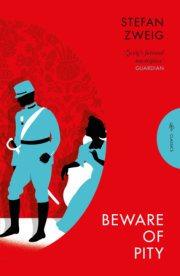
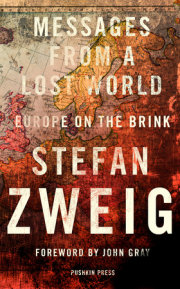
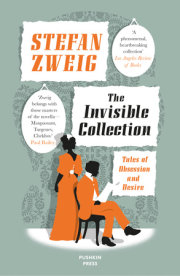
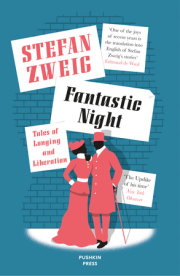
Stefan Zweig was born in 1881 in Vienna, into a wealthy Austrian-Jewish family. He studied in Berlin and Vienna and was first known as a poet and translator, then as a biographer. Between the wars, Zweig was an international bestseller with a string of hugely popular novellas including Letter from an Unknown Woman, Amok and Fear.In 1934, with the rise of Nazism, he left Austria, and lived in London, Bath and New York—a period during which he produced his most celebrated works: his only novel,Beware of Pity, and his memoir, The World of Yesterday. He eventually settled in Brazil, where in 1942 he and his wife were found dead in an apparent double suicide. Much of his work is available from Pushkin Press. View titles by Stefan Zweig

Excerpt

The large steamship leaving New York for Buenos Aires at midnight was caught up in the usual bustle and commotion of the hour before sailing. Visitors from shore pressed past one another to take leave of their friends, telegraph boys in skew-whiff caps shot names through the lounges, cases and flowers were brought and inquisitive children ran up and down flights of stairs while the orches-tra played imperturbably on deck. I was standing in conversation with a friend on the promenade deck, slightly apart from this turmoil, when flash-bulbs popped starkly two or three times beside us—it seemed that a few reporters had managed to hastily interview and photograph some celebrity just before our departure. My friend looked across and smiled.

“You have an odd fish on board with you there, that’s Czentovic.” And since I must have looked fairly baffled in response to this news, he explained by adding, “Mirko Czentovic, the world chess champion. He’s worked over the whole USA with his tournaments and now he’s off to conquests new in Argentina.”

As a matter of fact I did now remember this young world champion and even some details of his meteoric career; my friend, a more attentive reader of the newspapers than I am, was able to expand on them with a whole series of anecdotes. Around a year previously, Czentovic had put himself on a level with the most established old masters of the art of chess—Alekhine, Capablanca, Tartakower, Lasker, Bogolyubov—at a single stroke; not since the appearance of the seven-year-old wunderkind Reshevsky at the 1922 New York Masters had the irruption of an unknown into the hallowed guild aroused such a general furore. For in no way was such dazzling success indicated by Czentovic’s intel-lectual capabilities. It soon trickled out that in his private life this chess champion was incapable of writing so much as one sentence correctly in any language and, in the angry taunt of one of his dis-gruntled colleagues, “his education in every field was uniformly nil.” The son of a dirt-poor boatman on the middle Danube whose tiny coracle was run over one night by a grain freighter, the then twelve-year-old was taken in out of pity after the death of his father by the priest of their remote hamlet, and the good pastor did his best to make up with extra help at home all that the dull, uncommunica-tive, thick-skulled child was unable to learn in the village school.

But his efforts were in vain. Even after the alpha-bet had been explained to him a hundred times, in each lesson Mirko would again stare at every letter in renewed ignorance; his lumbering brain lacked the power to retain even so simple a concept. When supposedly doing mental arithmetic, he still at fourteen had to employ his fingers to help, and reading a book or newspaper still amounted to an especial strain for the already adolescent boy. Yet Mirko could not in any way be called recalcitrant or unwilling. He obediently did what he was asked, fetched water, chopped wood, helped in the fields, tidied the kitchen and reliably carried out, albeit with an infuriating slowness, whatever task he was assigned. What, however, dismayed the good priest most about the intractable lad was his utter apathy. He did nothing without being specifically prompted, never asked a question, did not play with other boys and didn’t of himself seek out any occupation that wasn’t expressly decreed; as soon as Mirko had com-pleted his household chores, he sat around stolidly in one room wearing the vacant expression that sheep wear in a meadow, taking not even the slight-est interest in what happened around him. In the evenings, when the priest drew on his long-stemmed farmer’s pipe and played his habitual three games of chess with the sergeant of the local gendarmes, the flaxen-haired adolescent slumped mutely beside them and stared, apparently sleepy and indifferent, at the chequered board.
One winter evening, while the two partners were engrossed in their nightly contest, they heard the tin-kling bells of a sleigh on the village street approach-ing fast and ever faster. A farmer, his cap dusted with snow, tramped in hastily, his old mother lay dying, would the pastor please hurry to administer the last rites in time. The priest unhesitatingly fol-lowed him out. The gendarme sergeant, who hadn’t yet emptied his glass of beer, lit himself one more pipe for the road and was just preparing to pull on his heavy boots when he noticed that Mirko’s gaze was fixed unswervingly on the chessboard and its unfinished game.

“Well, do you want to take over?” he joshed, quite sure that the somnolent boy wouldn’t understand how to move any of the pieces across the board. The lad stared at him diffidently, then nodded and took the pastor’s seat. After fourteen moves, the gendarme sergeant had been beaten and also forced to admit that no inadvertently careless move of his own could be blamed for the defeat. The second game ended no differently.

“Balaam’s ass!” the priest cried in astonishment after his return, and explained to the less biblically versed gendarme sergeant that a similar miracle had occurred two thousand years previously, when a dumb creature had suddenly spoken the language of wisdom. Despite the lateness of the hour, the priest couldn’t resist challenging his semi-literate attendant to a duel. Mirko beat him, too, with ease. His play was dogged, slow, unshakeable; his broad forehead, once lowered, never lifted from the board. But he played with incontestable certainty; over the following days, neither the gendarme sergeant nor the priest was able to win so much as one game against him. The pastor, than whom no one was in a better position to judge his pupil’s backwardness, now became curious in earnest as to how far this remarkable and one-sided talent would withstand a sterner test. After he had had Mirko’s bristly straw-blond hair cut by the village barber, to make him tolerably presentable, he took him in his sleigh to the small town nearby, where he knew a café on the main square with a club of chess enthusiasts whose play experience had taught him he could not equal. The club’s members were more than a little amazed when the pastor pushed a straw-blond, red-cheeked, fifteen-year-old lad in an inwards-turned sheepskin and high, heavy work boots into the coffee house, where the abashed boy stood in a corner shyly looking at the floor until he was called over to one of the tables. In the first game Mirko was beaten, because he had never seen the so-called Sicilian opening at the good pastor’s house. In the second, he held their best player to a draw. From the third and fourth onward he beat them all, one after the other.
Now, it’s very seldom that exciting events take place in a small provincial town on the middle Danube; for the collected notables, this rustic cham-pion’s debut was an immediate sensation. It was unanimously decided that the juvenile savant abso-lutely must stay in town until the following day, to allow them to call together the other members of the club and, above all, to notify old Graf Simczic, a chess fanatic, at his castle. The pastor, who now looked on his ward with an entirely new sense of pride, but whose joy in the discovery wouldn’t, after all, lead him to neglect his duty of conducting Sunday Mass, consented to leave Mirko behind for a further trial. Young Czentovic was lodged in the hotel at the chess club’s expense and that evening saw his first ever water closet. On the following, Sunday, afternoon, the chess room was packed. Mirko, sitting almost motionless for four hours at the board and without saying a word or even once looking up, defeated each player after the last. Eventually, a simultaneous match was suggested. It took some time before they could make the uneducated boy understand that in simultaneous games he was to take on the various players by himself. But once Mirko had grasped this practice, he soon settled to the task and walked slowly in his heavy, creaking shoes from table to table, ultimately winning seven out of eight.

Author

Stefan Zweig was born in 1881 in Vienna, into a wealthy Austrian-Jewish family. He studied in Berlin and Vienna and was first known as a poet and translator, then as a biographer. Between the wars, Zweig was an international bestseller with a string of hugely popular novellas including Letter from an Unknown Woman, Amok and Fear.In 1934, with the rise of Nazism, he left Austria, and lived in London, Bath and New York—a period during which he produced his most celebrated works: his only novel,Beware of Pity, and his memoir, The World of Yesterday. He eventually settled in Brazil, where in 1942 he and his wife were found dead in an apparent double suicide. Much of his work is available from Pushkin Press. View titles by Stefan Zweig
  • More Websites from
    Penguin Random House
  • Common Reads
  • Library Marketing